
Key Factors in Solar Panel Unistrut Selection

Get a Free Quote

Our representative will contact you soon.
Email
Mobile/WhatsApp
Name
Company Name
Message
0/1000

solar panel unistrut

Solar panel  unistrut  systems  are essential  components in the mounting and support  of solar panels, ensuring stability and durability in various environmental conditions. When  purchasing solar  panel unistrut,  buyers  often focus  on cost,  material quality, load-bearing  capabilities, and  compatibility with existing structures.  This  article will delve  into key factors such as cost considerations, specifications for selection, material  advantages, applications across diverse projects, and  guidance  on making  wholesale purchases.

Evaluating Quality Standards for Solar Panel Unistrut Products

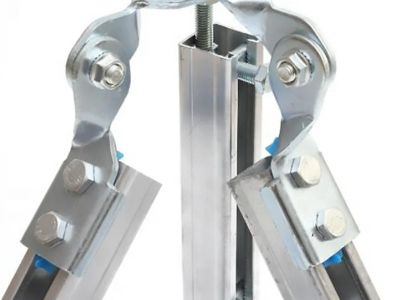
Selecting  the right  solar panel unistrut involves comparing multiple specifications that directly affect performance and compatibility. Key  specifications include:

Dimensions: The width  and height of the unistrut must  align with the solar panel dimensions  and mounting configurations. Common sizes are  typically 1.5 to 3 inches in width, affecting load distribution  and stability.


Load Capacity: It is crucial to assess the load-bearing capacity of the unistrut, which varies depending on its material and design. This capacity should align with the weight of the  solar panels and any additional equipment, such  as inverters or  batteries.

Finish: The surface treatment of the  unistrut can  enhance its durability against environmental factors. Options may include powder coating, anodizing for aluminum, or galvanization for steel, each offering different levels of corrosion resistance.

Compatibility: Ensure  that the unistrut  system is compatible with  other mounting hardware and solar panel configurations. This compatibility can significantly impact the ease of installation and long-term performance. For example, consider using the SS316 Wire Mesh Cable Tray for enhanced support.


By  carefully evaluating these specifications, buyers  can make informed decisions that meet their project's specific needs.
A Step-by-Step Guide

The choice of  material in solar panel unistrut systems can greatly influence performance, longevity, and  maintenance needs. Common materials  include:

Aluminum: Known for its lightweight and corrosion-resistant properties, aluminum unistruts are ideal for coastal or humid environments. They facilitate easy handling and installation, making them a popular choice for residential and commercial solar projects.


Galvanized Steel: This material offers high  strength and durability,  suitable for heavy-duty applications. Galvanized  steel is resistant to rust,  especially in outdoor  installations, though it  may require periodic maintenance  to ensure longevity.

Stainless Steel: While more expensive, stainless steel  provides  superior corrosion resistance and strength. It is an excellent choice for harsh environments, such  as industrial applications  or  areas with high saline exposure.

The choice of material should  be aligned with the  expected environmental conditions and specific project requirements, ensuring optimal performance and  durability.

Understanding Cost Factors for Solar Panel Unistrut Purchases

Solar panel unistrut systems find applications in various projects, ranging from residential rooftops to large-scale  solar farms. Here are some  common applications:

Residential Installations: Homeowners often use solar panel unistrut to  securely mount panels on rooftops, optimizing space  and ensuring aesthetic integration with the home design.

Commercial Buildings: In commercial settings, unistrut systems are utilized for larger solar installations,  supporting multiple panels while ensuring compliance with building codes and  safety standards.

Utility-Scale Solar Farms: Large solar  energy farms deploy extensive unistrut systems to support rows of  solar panels. Here, load capacity and structural  integrity are  paramount, as these installations must withstand harsh weather  conditions.

Ground-Mounted  Systems:  For projects where rooftop installation is not  feasible,  ground-mounted solar panel systems  employ  unistrut to  provide a stable foundation, ensuring panels are  elevated for optimal sunlight exposure.

By understanding these applications, buyers can better determine the best unistrut solutions for their specific project  requirements.

Applications of Solar Panel Unistrut in Renewable Energy Projects

When planning a wholesale purchase of solar panel unistrut, buyers should consider several key factors to ensure they are making  the most informed decision:

Understand Your Project Requirements: Provide clear specifications regarding dimensions, load requirements, and any customization needs.  This will enable suppliers to offer suitable  options.

Request Samples: Before placing a bulk  order, request samples to evaluate  material quality, finish, and compatibility with your existing  systems. Testing samples under actual conditions can reveal potential issues before mass production.


Evaluate Suppliers: Assess potential suppliers  based on  their manufacturing capabilities, quality control processes, and customer service. Look for manufacturers like Shanghai Qinkai Industry Co.,  Ltd., known  for their expertise in producing high-quality unistrut systems and  related accessories.

Negotiate Terms: Discuss pricing structures,  including  bulk discounts, payment terms, and delivery  timelines. This negotiation can  lead to more favorable conditions and help manage  costs effectively.

Confirm Packaging and Shipping Details: Ensure that packaging methods protect the unistrut during transportation, and confirm shipping timelines to align with your project schedule.

By following these guidelines, buyers can streamline the purchasing process and ensure they select  the best solar panel  unistrut systems for their needs.


Key Specifications to Consider for Solar Panel Unistr

When evaluating the cost of solar panel unistrut, several  factors come into play.  First,  the material type significantly influences pricing, with options typically ranging from aluminum to galvanized steel. Aluminum tends to  be  lighter and more corrosion-resistant, but  it may  come at a higher cost compared to galvanized steel, which  offers robust structural integrity at a lower price point. For instance, the HDG Cable Ladder is an excellent example of a durable galvanized solution.


Another critical aspect is the quantity ordered. Manufacturers often have  minimum order quantities  (MOQ), which can affect the overall pricing per  unit. Larger orders may also qualify for volume discounts, reducing the  cost per piece.  Additionally, transportation  and  shipping  fees should be factored in, especially for international buyers, as these can  vary significantly  based on location and shipping method.

Finally, customization requests, such as specific  lengths or finishes, can also impact the final cost. Buyers should have a clear understanding of their project requirements and communicate these effectively to obtain accurate quotes.

Frequently Asked Questions

What is solar panel unistrut used for?

Solar panel unistrut provides a durable mounting channel to support solar arrays, enabling secure attachment of panels, rails, and accessories in rooftop and ground‑mount installations.
Available materials include galvanized steel and stainless steel, offering corrosion resistance and structural strength for various environments and long service life.
Yes. Our unistrut is compatible with common solar rails, clamps, and hardware, designed for easy integration with finished supports and solar mounting components.
We provide custom lengths, hole patterns, and stamping options to meet project specifications, supporting efficient installation and reduced on‑site modifications.
Manufactured with industrial stamping and forming processes, our unistrut meets structural and corrosion control practices; we can supply material and fabrication details on request.

Our Blog Posts

Complete Hardware Glossary: Solar Mounting, Pipe Supports and Cable Management Parts

21

Sep

Complete Hardware Glossary: Solar Mounting, Pipe Supports and Cable Management Parts

Understanding the components of solar mounting structures, pipe supports, and cable management parts is crucial for professionals in the manufacturing and construction industries. This complete hardware glossary will provide insights into evaluating ...
View More

Get a Free Quote

Our representative will contact you soon.
Email
Mobile/WhatsApp
Name
Company Name
Message
0/1000

Related product categories

Key Factors in Solar Panel Unistrut Selection

Get a Free Quote

Our representative will contact you soon.
Email
Mobile/WhatsApp
Name
Company Name
Message
0/1000