Choosing the Right Stainless Conduit Clamps

Get a Free Quote

Our representative will contact you soon.
Email
Mobile/WhatsApp
Name
Company Name
Message
0/1000

stainless conduit clamps

Stainless conduit clamps are essential components  in  electrical installations, providing stability and support  for conduit  systems.  As  B2B buyers, purchasing managers,  and  engineers look  for reliable solutions, understanding the  key  features and  considerations  when selecting stainless  conduit clamps becomes  crucial. This  article will  guide you through the selection  process,  sourcing reliable suppliers, quality evaluation, common  problems, and their applications in industrial settings.

Sourcing from Reliable Suppliers

Finding a dependable supplier for stainless conduit clamps  is critical to ensuring the success of your project.  Here are some tips for sourcing:

Research and Recommendations: Start by researching  suppliers with a strong reputation in the industry. Seek recommendations from colleagues or industry contacts to  identify manufacturers known for quality and  reliability.

Certifications and  Standards: Verify that suppliers comply with relevant industry standards and certifications. This could include ISO certifications or compliance with national electrical codes, which can assure you of  their commitment to quality.

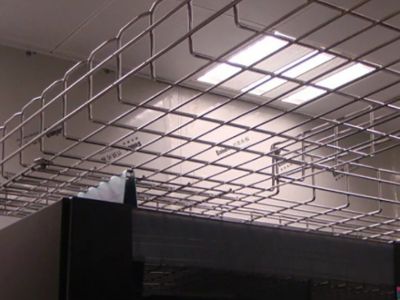
Product Range: A supplier with  a  diverse product range can provide you with better options,  including  various sizes, styles, and  materials. This flexibility can be crucial for projects with specific requirements, such as those needing a Marine-Grade FRP Cable Tray.

Customer Service: Evaluate the supplier's customer service. A  responsive and knowledgeable  team can provide valuable assistance during the selection process and address  concerns about lead times or product specifications.

Samples and Testing: Before placing a bulk order, request samples of the stainless  conduit clamps. Testing  these samples under your specific operating conditions will  help you ensure they meet your expectations  for quality and performance.
Evaluating Quality in Stainless Conduit Clamps for Bulk Orders

Quality evaluation is critical when purchasing stainless conduit  clamps in bulk. Here are essential aspects  to assess:

Material Quality: Ensure the stainless steel used in the clamps is of  high quality, with  appropriate certifications to confirm its grade. Request documentation  from the supplier that validates the material specifications.

Manufacturing  Process: Understand the manufacturing processes employed by the supplier. High-quality clamps should undergo rigorous quality control measures throughout production, including inspection for  dimensional  accuracy and surface finish.

Testing and Inspection: Confirm  any testing  procedures the clamps undergo  before shipping. This could include load testing, material composition analysis, and corrosion resistance testing. Manufacturers with  robust quality assurance practices will typically provide detailed documentation.

Packaging  and Shipping: Inspect how the clamps are packaged for shipping. Proper  packaging ensures  that products arrive without damage. Confirm that the supplier has protocols to  minimize potential  damage during transport.

Post-Purchase Support: Evaluate the supplier’s commitment to after-sales support. This includes assistance with installation, handling  returns, or addressing  any concerns about  product performance.

Common Problems with Stainless Conduit Clamps and Their Solutions

While stainless conduit clamps are generally reliable, several common  issues may arise:

Corrosion: Even stainless steel can  corrode under extreme conditions. Ensure  that the  clamps are suitable for the environmental conditions they  will face.  Using  higher-grade stainless  steel (like 316) in corrosive environments  can mitigate this issue.


Improper Fit: A  common issue  is selecting clamps that  do not fit the conduit properly. This can lead to loose fittings and potential  failures. Double-check dimensions and consult with your supplier if you have any doubts about compatibility.

Installation Errors: Incorrect installation can compromise the effectiveness of the clamps.  Ensure  that installation guidelines are followed, and consider providing training or resources to installation  teams to minimize errors.

Overloading: Exceeding the load capacity of the clamps can lead to failure. Always confirm load ratings  and ensure that the total weight of the installed system does not exceed these limits.

Vibration and Movement: In dynamic environments, clamps can loosen over  time due to vibrations. Consider using  clamps with features designed to mitigate this risk, such as locking mechanisms or vibration-resistant designs.

Applications of Stainless Conduit Clamps in Industrial Settings

Stainless conduit clamps are utilized across various industrial applications, including:

Electrical Installations: In commercial and industrial electrical setups, stainless conduit  clamps secure electrical conduits, protecting wiring from damage and environmental  exposure.

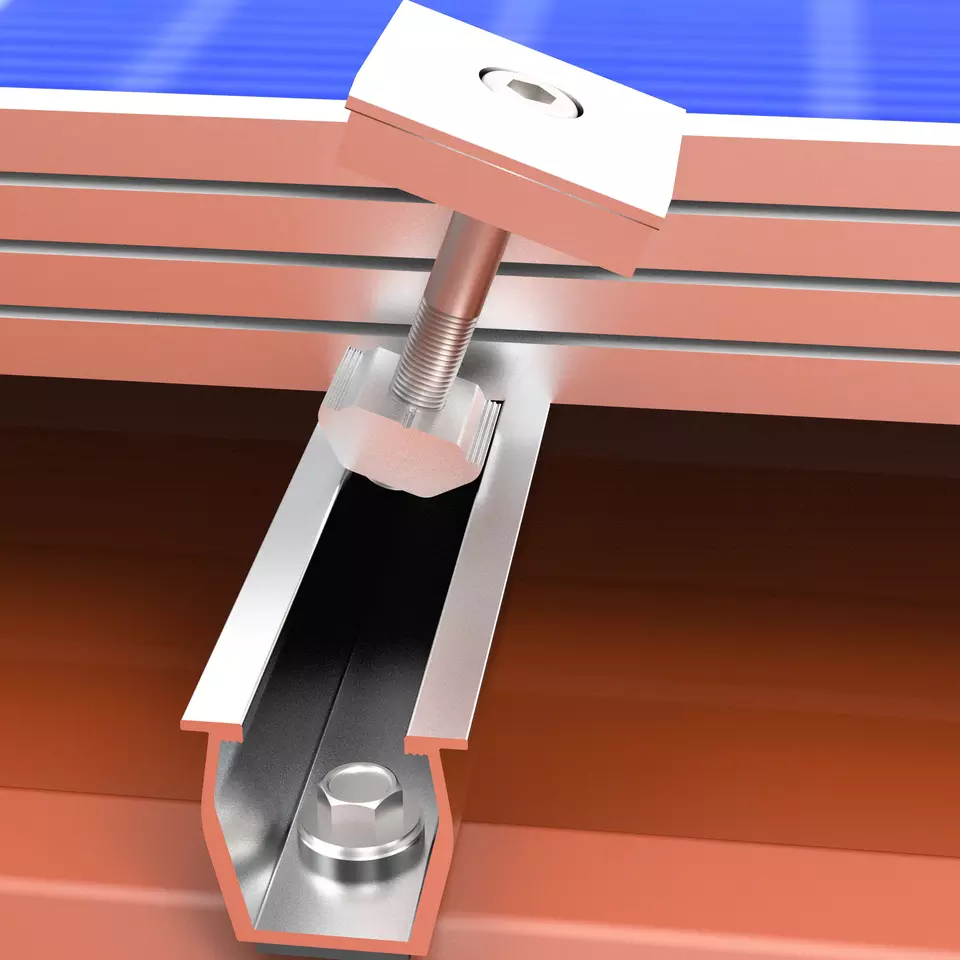
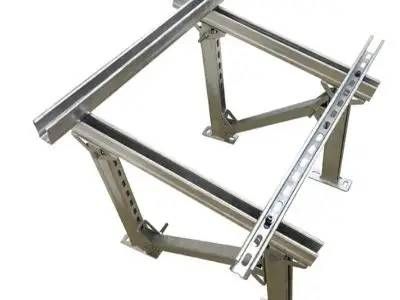
Solar Energy Systems: In solar mounting structures, these clamps are used to secure  conduits  that house wiring, ensuring that solar panels operate efficiently and safely. Utilizing a Solar Mounting System can further enhance the durability of solar installations.

Seismic Bracing Systems:  In seismic  zones, stainless conduit clamps are critical components of bracing systems,  providing stability and support to conduits and electrical systems during seismic events.

Manufacturing Facilities: In manufacturing environments, clamps are used to organize and secure conduits, facilitating safe and efficient operation of machinery  and electrical systems.

Outdoor Installations: Stainless conduit clamps are particularly valuable in outdoor settings, where their corrosion resistance  allows them  to withstand harsh weather conditions while securely supporting conduit systems.

Understanding these applications  helps in selecting the right clamps for  specific projects, ensuring compliance with  safety standards  and performance requirements.

By  applying  these considerations, sourcing effectively, evaluating quality, addressing common problems, and recognizing applications, you  can make informed decisions regarding  stainless  conduit  clamps that meet your project requirements.

How to Choose Stainless Conduit Clamps for Your Projects

When selecting stainless conduit  clamps, there are several key factors to consider:

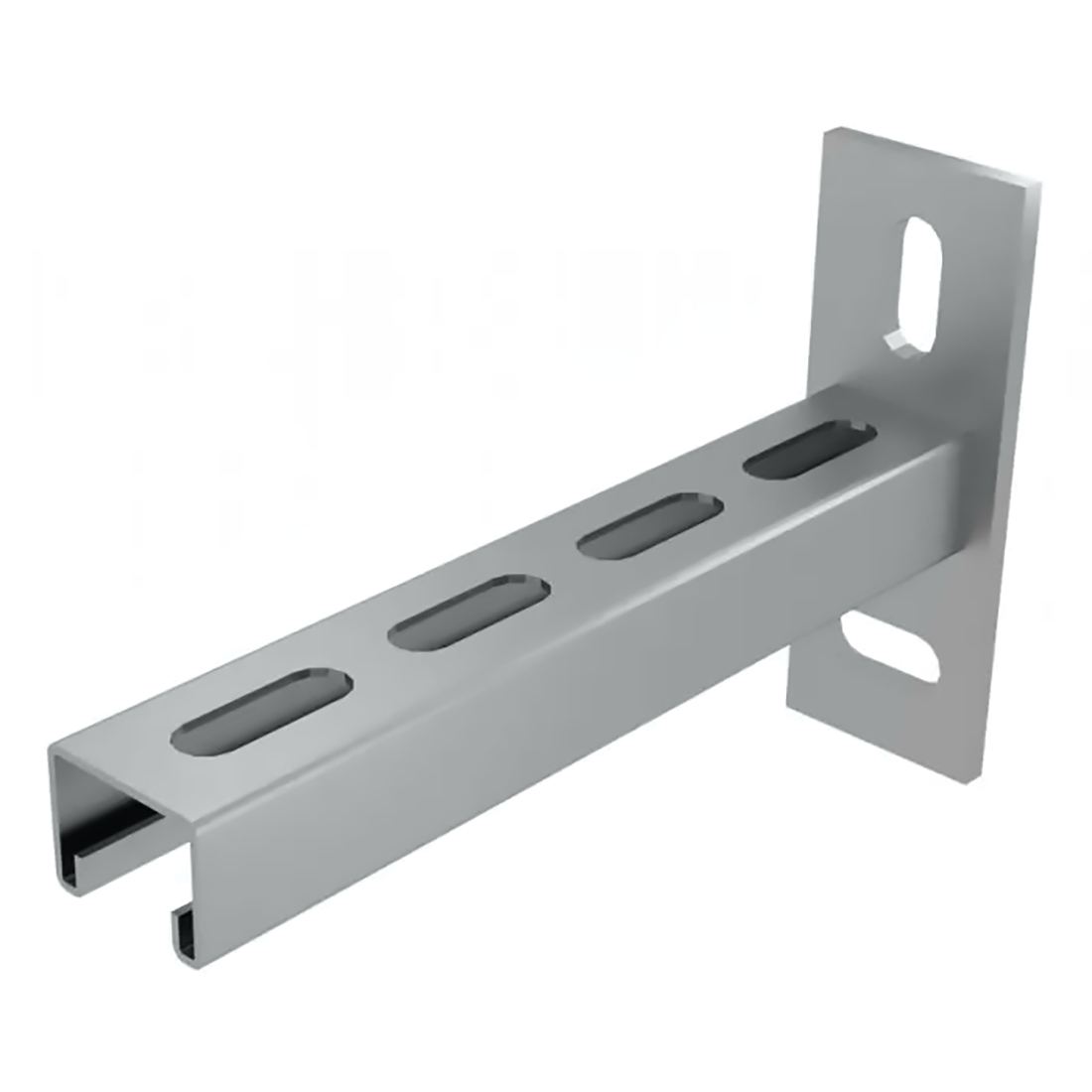
Material Specifications: Stainless steel is the preferred material due to its  corrosion  resistance and  strength. Look for clamps made from 304 or 316-grade stainless steel, as these grades offer enhanced durability in various environments, especially those exposed to  moisture or chemicals. The right material depends on the specific environmental conditions your project will  face. For instance, using SS316 Cable Tray Bracket can provide additional support in corrosion-prone areas.

Clamp Size and Dimensions: The  size of the clamp must match the diameter of the conduit it will hold. Ensure that the clamp is compatible with the conduit size specified in your project plans. Accurate measurements help prevent issues during installation.

Load Capacity: Assess  the load requirements of your  installation. Different  clamps have varying load ratings, which should align with the weight of the conduit and any attached wiring.  It's crucial to choose clamps that can support  the expected load without risking structural integrity.

Installation Environment: Consider the environmental factors where the clamps will be  installed.  For  outdoor applications, clamps with UV protection and resistance to extreme temperatures are essential. Indoor installations  may have different requirements, such as aesthetic considerations.

Customization Options: Depending  on your  project's unique requirements, you may need custom sizes or additional features, such  as rubber linings or special  finishes. Discuss these needs with your supplier to ensure you receive the right product.

Frequently Asked Questions

What are stainless conduit clamps used for?

Stainless conduit clamps secure and support electrical conduits, cable trays, and wiring runs, preventing movement and corrosion in indoor and outdoor installations.
We commonly supply clamps in 304 and 316 stainless steel, chosen for general corrosion resistance (304) and superior marine/chemical resistance (316).
Yes. We manufacture standard and custom clamp sizes and can supply stamped parts to match project specifications and support systems.
Yes. Our stainless conduit clamps are designed to integrate with cable trays, C-channel supports, and finished support systems used in industrial and commercial installations.
Lead times depend on quantity and customization; typical production ranges from weeks for standard items. We offer bulk packaging and protective packing for export to ensure parts arrive undamaged.

Our Blog Posts

Customized Stainless Steel Products Lead Time and Project Procurement Advice

22

Sep

Customized Stainless Steel Products Lead Time and Project Procurement Advice

Customized stainless steel products are vital components in various industries, from construction to electronics. Buyers often seek to understand lead times and project procurement advice to ensure they meet project deadlines and specifications. This...
View More
Aluminum Track Accessories for Movable Solar Panel Support Structures

22

Sep

Aluminum Track Accessories for Movable Solar Panel Support Structures

Aluminum track accessories for movable solar panel support structures play a crucial role in enhancing the efficiency and stability of solar installations. These accessories ensure that solar panels are securely mounted, allowing for optimal position...
View More
Solar Panel Bracket Material Showdown: Steel, Aluminum and Stainless Steel

23

Sep

Solar Panel Bracket Material Showdown: Steel, Aluminum and Stainless Steel

Selecting the appropriate material for solar panel brackets is crucial for ensuring durability, cost-effectiveness, and overall performance. In the ongoing Solar Panel Bracket Material Showdown: Steel, Aluminum and Stainless Steel, buyers face signif...
View More
FRP Cable Tray Flame-Resistant Performance for Industrial Solar Installations

24

Sep

FRP Cable Tray Flame-Resistant Performance for Industrial Solar Installations

Flame-resistant fiberglass reinforced plastic (FRP) cable trays play a critical role in industrial solar installations, ensuring safety and reliability in demanding environments. With the increasing adoption of solar energy solutions, understanding t...
View More

Get a Free Quote

Our representative will contact you soon.
Email
Mobile/WhatsApp
Name
Company Name
Message
0/1000

Related product categories

Choosing the Right Stainless Conduit Clamps

Get a Free Quote

Our representative will contact you soon.
Email
Mobile/WhatsApp
Name
Company Name
Message
0/1000