EN
EN

Unistrut track and trolley systems are essential components in various industrial applications, offering flexible and efficient solutions for supporting and guiding loads. As purchasing managers and engineers seek reliable systems, they prioritize specifications, compatibility, and quality. This article will guide you through selecting the right unistrut track and trolley for your projects, key specifications to consider, how to evaluate quality, and common installation issues you may encounter.
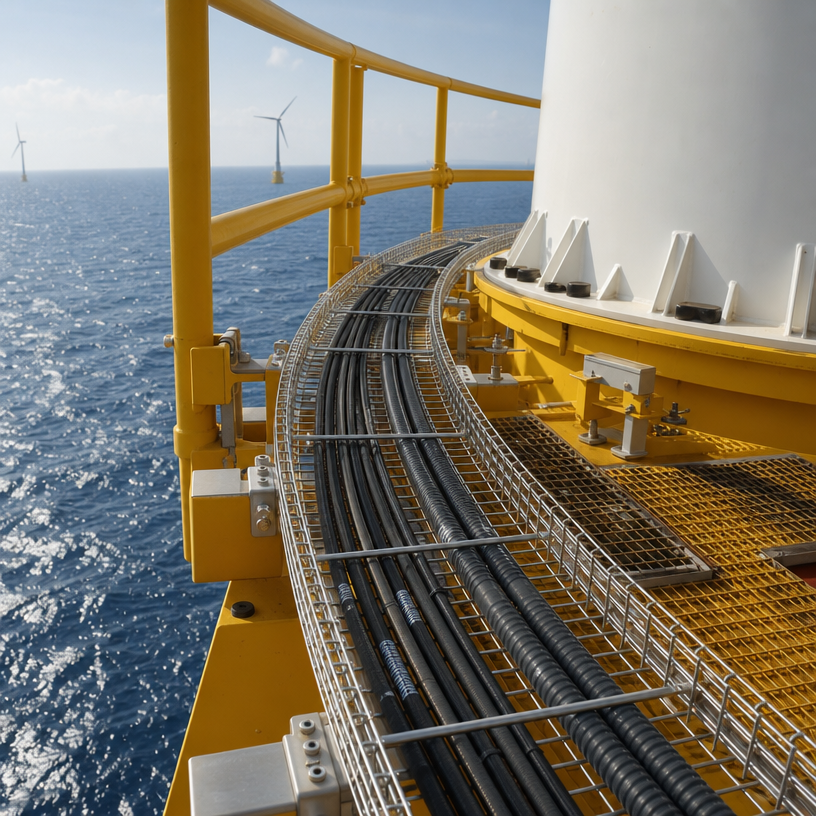
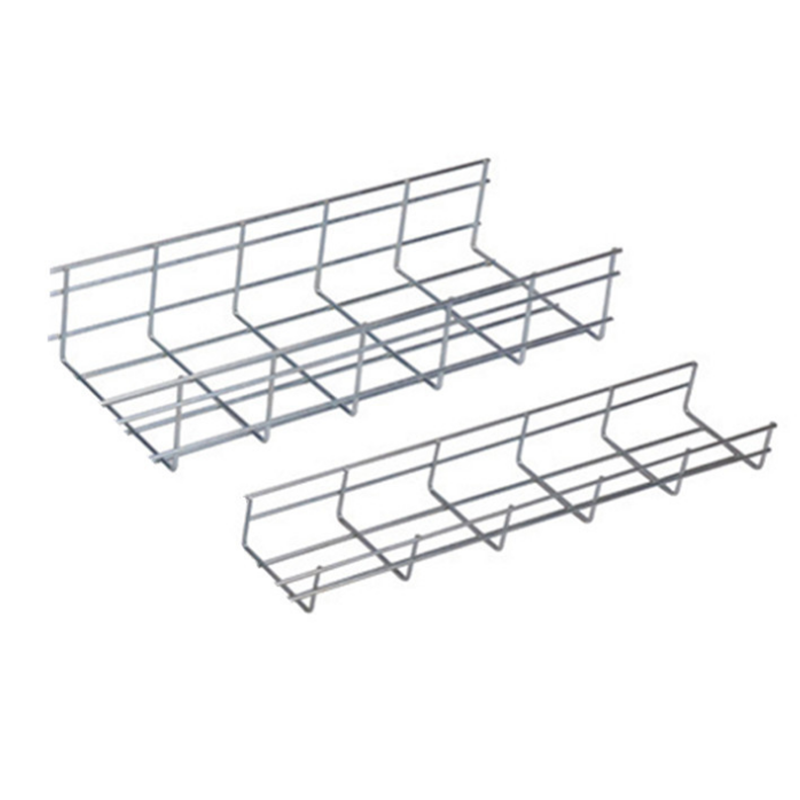
Bulk Order Discounts on Unistrut Track and Trolley for Wholesale Buyers
When sourcing unistrut track systems, several key specifications should be evaluated to ensure optimal performance:
Material Composition: Common materials include steel and aluminum. Steel provides strength and durability, while aluminum is lightweight and resistant to corrosion. Depending on the application's environmental conditions, such as exposure to moisture or chemicals, the right material can significantly affect performance and lifespan.
Load Capacity: Each unistrut track and trolley system has a specified load capacity. It's essential to confirm this against your application's requirements to prevent system failure. Manufacturers typically provide load ratings based on testing, which should be reviewed closely.
Dimensions: The width and height of the track, along with the trolley dimensions, are crucial for ensuring compatibility with your existing setup. Accurate measurements are necessary to guarantee a secure fit and optimal performance.
Surface Treatment: Coatings such as galvanization or powder coating can enhance corrosion resistance, especially in harsh environments. This treatment should align with the expected operating conditions to prolong the system's lifespan.
Performance Specifications: Look into factors like speed ratings and noise levels during operation. Systems designed for high-speed applications may require specific engineering considerations to minimize wear and noise.