Choosing the Right Floor Cable Trunking Solutions

Get a Free Quote

Our representative will contact you soon.
Email
Mobile/WhatsApp
Name
Company Name
Message
0/1000

floor cable trunking

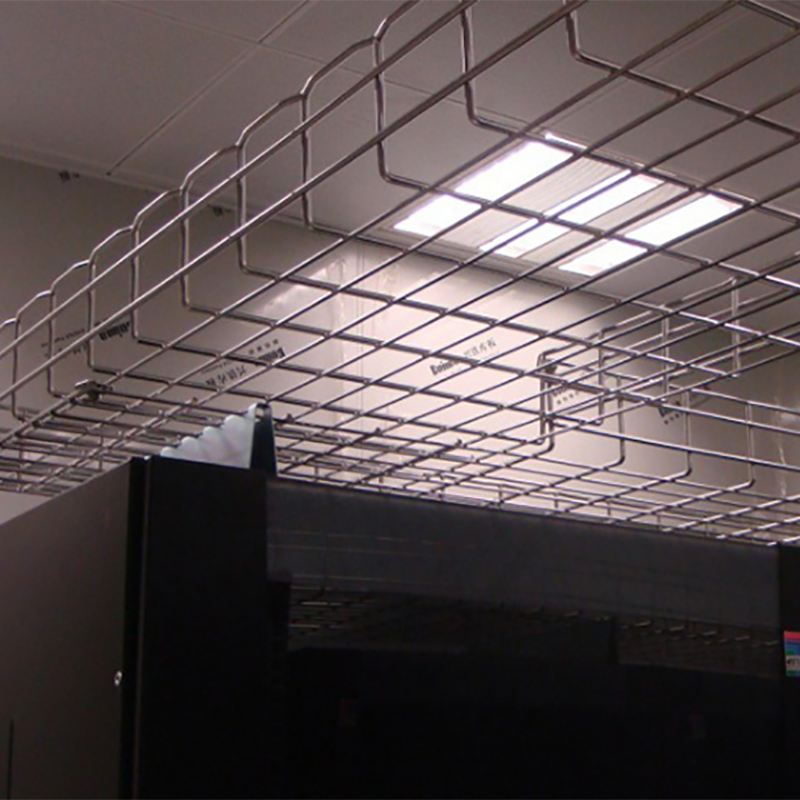
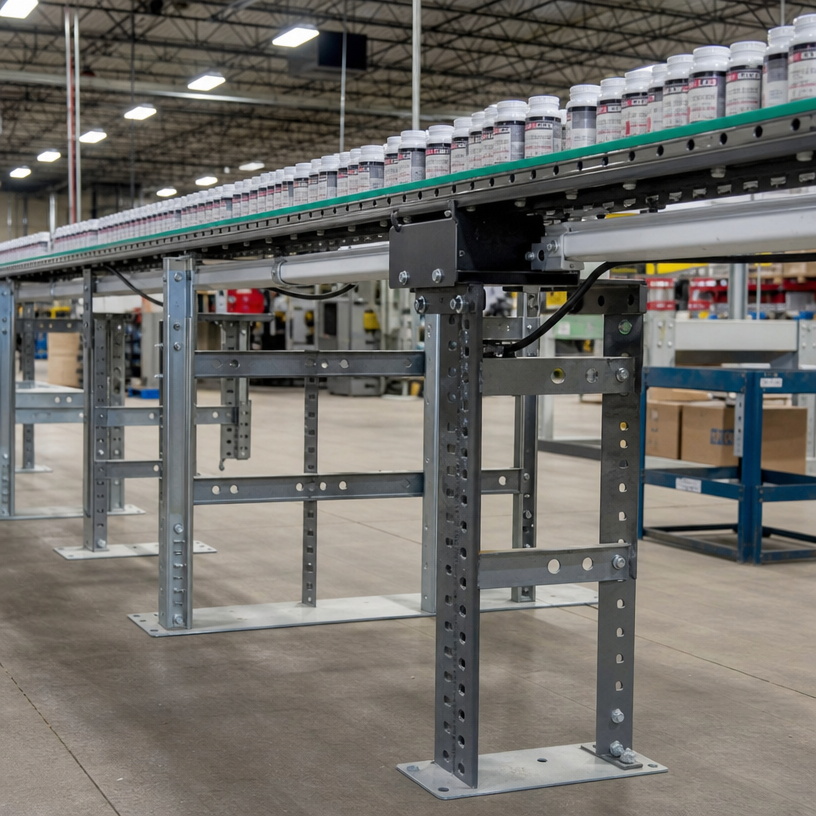
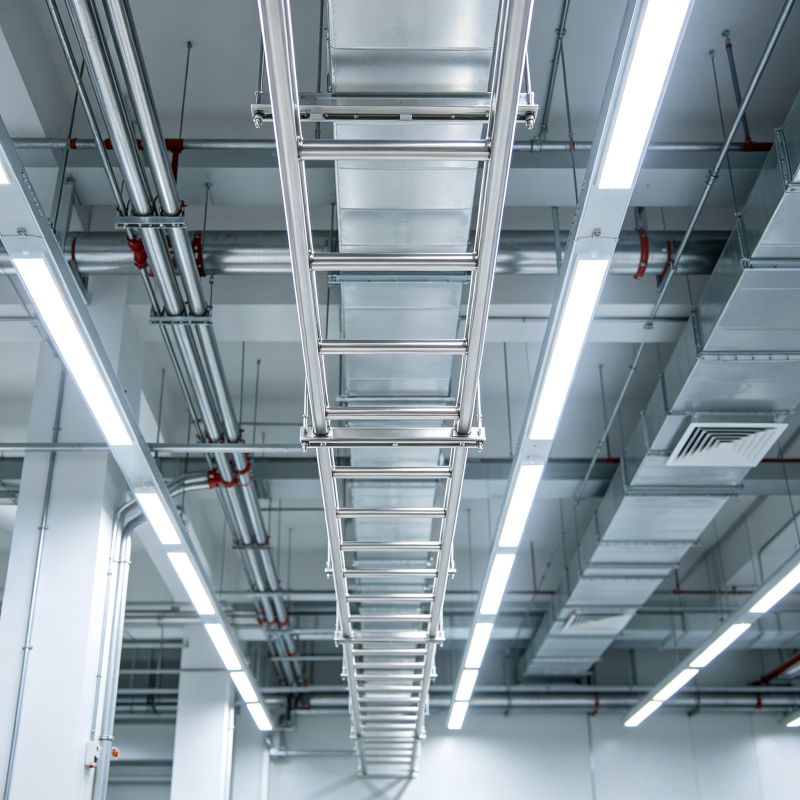
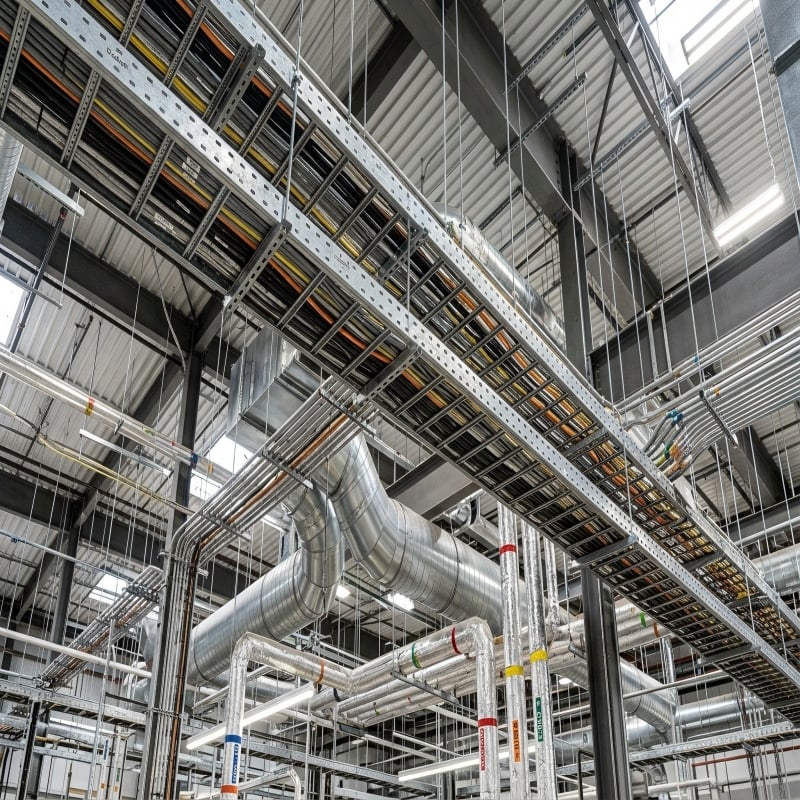
Floor  cable trunking is an essential component in managing and organizing electrical cables in commercial and industrial settings. As  a  B2B  buyer,  understanding  how to choose the right floor  cable  trunking involves evaluating specifications, materials,  and the  installation process  to ensure safety and  efficiency. This article aims  to provide practical insights and guidance  on  selecting, comparing,  and installing floor cable trunking, helping  you make  informed  purchasing decisions for  your projects.
Our Products

Key Specifications to Evaluate in Floor Cable Trunking Products

Key Specifications to Evaluate in Floor Cable Trunking Products

When examining  floor cable  trunking products, several specifications are  critical for ensuring performance and safety. Key specifications to consider include:


Material Composition: Common materials for floor cable trunking include PVC,  metal (such as steel or aluminum), and composite materials. Each material has distinct  benefits; for example, metal trunking offers durability and a higher load-bearing capacity, while PVC is lightweight  and resistant to corrosion.

Dimensions and Size: Confirm the internal dimensions of  the  trunking to ensure compatibility with the cables  you plan to use. The  trunking should provide enough space for  cables while allowing for easy access during installation  and maintenance.

Load Capacity: Assess the load-bearing capacity of the trunking, especially in high-traffic areas. Trunking must support not only the  cables but also any additional weight from foot traffic or equipment.

Sealing and  Protection: Look for trunking that offers adequate sealing  options to protect cables from  dust,  moisture, and other environmental factors. This is particularly important in industrial settings where  exposure to contaminants is  a concern, similar to standards required in Power Plants.

Understanding these specifications will help you evaluate the suitability of floor cable trunking products for your specific application.
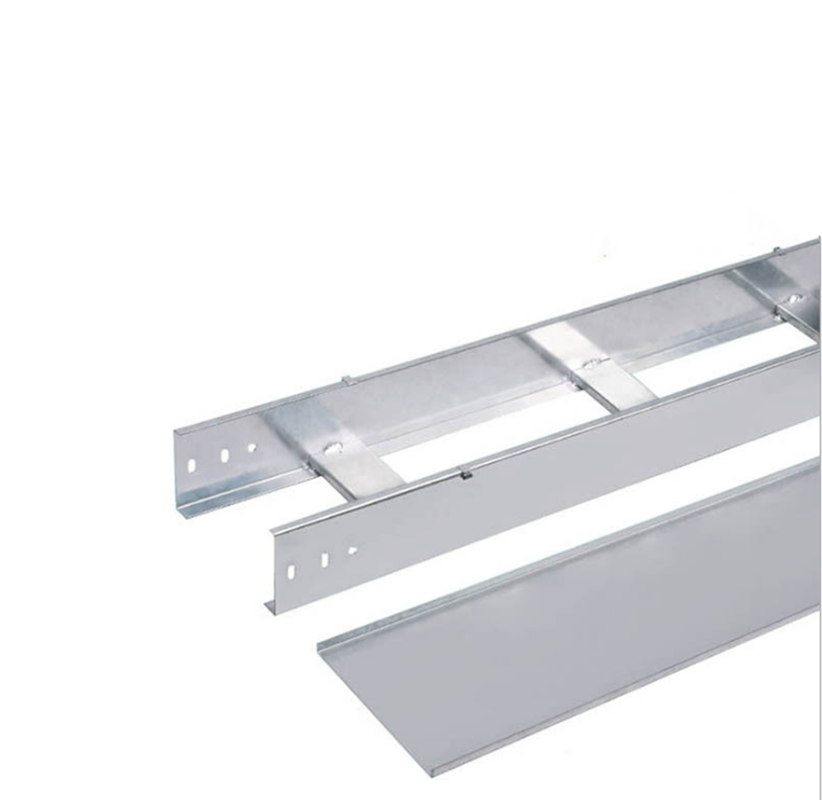
Finding Reliable Suppliers of Cable Trunking

Finding Reliable Suppliers of Cable Trunking

Identifying trustworthy suppliers is crucial for ensuring quality and reliability in  your floor cable trunking purchases. Here are some tips to help you find  reliable manufacturers:

Research Manufacturer Experience: Look for  suppliers  with a proven track  record  in manufacturing cable management  solutions. Experienced manufacturers, like Shanghai Qinkai  Industry  Co., Ltd., often have established quality control  processes and product certifications.

Request Samples: Before making a bulk  purchase, request samples  of the trunking. This allows you to assess the quality of materials,  dimensions, and overall craftsmanship, ensuring that they meet your specifications.

Check  Customer Reviews and  References: Investigate  online reviews and seek references from other customers. Feedback from previous clients can provide insights into  the supplier's reliability, customer service, and product quality.

Evaluate Customization Capabilities: If your project requires specific designs  or materials, ensure that the supplier can accommodate custom requests. This flexibility can be crucial for meeting unique project requirements.

By thoroughly vetting potential  suppliers, you can minimize risks and  ensure that you receive high-quality floor cable trunking solutions.

Installation Guidance for Efficient Floor Cable Trunking Systems

Installation Guidance for Efficient Floor Cable Trunking Systems

Proper installation  of floor cable trunking is essential for optimal performance and safety. Follow these  key  steps for an efficient installation:

Planning the Layout: Before installation,  create a detailed plan outlining the trunking  layout. Consider the locations of  power outlets, equipment, and any potential obstacles that may affect  the installation process.

Preparation and Tools: Gather all necessary tools,  including cutters, screws, and connectors. Ensure that the  installation area is clean and free of debris to avoid any interference during the process.

Securing  the Trunking:  Install the trunking securely to the floor, ensuring it is level  and aligned properly. Use appropriate fasteners based on the trunking material and the surface you are installing it on.

Cable Management: When placing cables inside the trunking, group  them according to function and size. This organization not only  improves  aesthetics but also enhances safety  by reducing the risk of cable damage.

Final Inspection: After installation, conduct a  final inspection to ensure everything is securely in place and  that there  are no visible hazards.  Check for any loose connections or exposed cables.

Adhering to these installation guidelines will help ensure a safe and functional floor cable trunking system.

Comparing Material Advantages of Different Cable Trunking Options

Selecting the right material for floor cable  trunking can significantly impact its performance  and longevity. Here’s a comparison of the advantages of various materials commonly used:

PVC  Trunking:

Advantages: Lightweight, cost-effective, and resistant to corrosion. PVC is also easy  to install and can be molded into various shapes, making it  suitable for intricate layouts. Considerations: Not  as durable as  metal options and can become  brittle over time, especially in extreme temperatures.

Metal Trunking (Steel/Aluminum):

Advantages: Offers  excellent durability and load-bearing  capabilities. Metal trunking is ideal for high-traffic areas and provides superior protection against physical damage. Considerations: Typically more expensive than PVC and may require additional coatings to prevent corrosion, particularly in moist environments.

Composite Materials:

Advantages: Combines the benefits of both PVC and metal, providing durability while being lightweight. Composite materials can also offer enhanced resistance to chemicals and environmental factors. Considerations: Availability may be limited,  and pricing can  vary based on specific formulations.

Custom Materials: Depending on  specific  project needs,  manufacturers can offer tailored materials that meet  unique performance requirements.  It’s essential to discuss your specific needs with suppliers to explore custom options.


By understanding the advantages and limitations of each material, you can make  a more informed decision about which floor cable trunking solution best  fits your application.

How to Choose the Right Floor Cable Trunking for Your Projec

When selecting floor cable trunking, start  by assessing the specific needs of your project. Key  considerations include:

Application Environment:  Determine the installation location,  such as office spaces, warehouses, or manufacturing floors. Different environments  may require different trunking  solutions based on exposure to moisture, chemicals,  or  heavy foot traffic. For instance, in Marine Engineering, the trunking must withstand harsher conditions.

Cable Capacity: Evaluate  the number  and size of cables that  need to be accommodated. Choose trunking with sufficient space  to  avoid overcrowding, which can lead to overheating and potential safety hazards.

Compliance and Standards: Ensure that the chosen trunking meets relevant industry standards and regulations,  such as fire safety codes. This is crucial for maintaining workplace  safety and  avoiding legal issues.

Customization Options: Depending on your project requirements, you may need customized trunking solutions. Explore manufacturers that offer tailored designs to  meet specific dimensions or cable management needs. This is particularly relevant in settings like Industrial Workshops.

By evaluating these  factors,  you can select the most suitable floor cable trunking to effectively manage your electrical installations.


Frequently Asked Questions

What is a floor cable trunking used for?

Floor cable trunking organizes and protects power and data cables in commercial or industrial floors, preventing trip hazards and allowing neat routing for maintenance.
Typically made of steel or aluminum with corrosion-resistant coatings; our options include painted or galvanised finishes suitable for heavy-duty environments.
Yes. Our trunking is designed to support heavy cable bundles and can be mounted with compatible supports and C-channel steel for added strength.
We provide custom lengths, widths, and accessories such as covers, bends, tees, and mounting brackets to match site requirements and installation layouts.
Regularly inspect for damage, remove dust and debris, tighten fasteners, and check coatings. Repair or replace damaged sections to maintain protection and performance.

Our Blog Posts

Complete Hardware Glossary: Solar Mounting, Pipe Supports and Cable Management Parts

21

Sep

Complete Hardware Glossary: Solar Mounting, Pipe Supports and Cable Management Parts

Understanding the components of solar mounting structures, pipe supports, and cable management parts is crucial for professionals in the manufacturing and construction industries. This complete hardware glossary will provide insights into evaluating ...
View More

Get a Free Quote

Our representative will contact you soon.
Email
Mobile/WhatsApp
Name
Company Name
Message
0/1000

Related product categories

Choosing the Right Floor Cable Trunking Solutions

Get a Free Quote

Our representative will contact you soon.
Email
Mobile/WhatsApp
Name
Company Name
Message
0/1000