
Essential Considerations for Sourcing Trunking Metal

Get a Free Quote

Our representative will contact you soon.
Email
Mobile/WhatsApp
Name
Company Name
Message
0/1000

trunking metal

When considering trunking metal  for your  projects, it’s essential  to understand  its role in cable management and structural  support. Trunking metal, often  used to  house electrical wiring and data cables, is crucial for maintaining organization and  safety  in both  industrial  and commercial environments. Buyers  frequently seek reliable specifications, suitable materials, and cost-effective  options to  ensure  their projects run  smoothly. This article will guide you  through  key considerations when  sourcing trunking metal, helping you make  informed purchasing decisions.

Key Specifications to Evaluate Trunking Metal for Bulk Orders

When  ordering trunking metal in bulk, several  specifications must be evaluated to ensure quality and suitability:

Gauge and Thickness: The gauge of the metal affects  its strength and durability. Thicker gauges provide better load-bearing  capabilities, while  thinner  gauges may  be more cost-effective for lighter applications.

Surface Treatment:  Surface treatments such as  galvanization or powder coating can enhance corrosion resistance and  prolong the lifespan of the  trunking. Specify the necessary treatments based on the installation environment.

Load  Capacity: Assess the  load  capacity requirements for  your trunking system. It should be capable of supporting the weight  of the cables and any additional equipment that may be mounted.

Certification and Compliance: Ensure that the trunking  metal meets relevant industry standards and certifications.  This guarantees that the product  has  been tested for safety and performance.
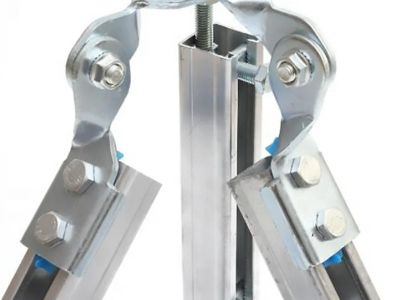
How to Choose the Right Trunking Metal for Your Application Needs

Selecting  the appropriate trunking metal depends on various factors  related to your application:

Cable  Types: Different  cables may require varying levels  of protection. For example, cables that are sensitive to electromagnetic interference may need shielded trunking  systems.

Installation  Location: Evaluate where the trunking will be installed. Indoor environments may have  different requirements compared to outdoor settings,  where weatherproofing  is essential.

Aesthetics: In commercial  settings, the appearance of the  trunking can impact the overall  design. Consider the finish and color of the trunking to ensure it aligns with the project’s aesthetic goals.

Accessibility: Ensure that the trunking  system allows for  easy access to  cables for maintenance  and upgrades.  Features like removable covers or modular  designs can enhance accessibility.

Quality and Cost Factors

Quality  and  cost are critical factors when sourcing trunking metal. Here’s what  to consider:

Material Quality: Higher-quality materials may come at a premium price but can lead to lower  maintenance costs and longer service life. Evaluate the total cost of ownership rather  than just the upfront  cost.

Supplier Reliability: Choose a  supplier with  a proven track  record in manufacturing trunking metal.  Assess their  quality control  processes, production capabilities, and customer service responsiveness.

Production Volume: Larger orders  may qualify for bulk discounts,  but it’s  essential to  ensure that the  supplier can meet your required delivery  timelines. Discuss lead times and production  capacity to avoid delays.

Warranty and Support: A reliable warranty can provide peace of mind. Ensure the supplier offers adequate  support and guarantees for their products.

Cost Considerations for Wholesale Trunking Metal Purchases

When considering wholesale trunking  metal purchases, several cost factors come into play:

Minimum Order Quantity (MOQ): Understand the supplier’s MOQ for  bulk orders. This can affect your overall cost if you need to  adjust your order  quantity.

Shipping and Handling: Factor in shipping costs, especially  for large orders. The distance from the manufacturer and  the shipping method can significantly impact total costs.

Import  Duties and  Taxes:  For international  purchases, be aware of any additional  import duties or  taxes that may apply. This could affect your final pricing.

Payment Terms: Negotiate payment terms with the supplier. Long-term relationships may provide opportunities  for more favorable terms, impacting cash flow.

By considering  these  aspects,  you can ensure that your trunking metal sourcing aligns with your project needs, budget, and quality expectations.  Engaging with a reputable manufacturer like Shanghai Qinkai  Industry Co.,  Ltd. can provide additional insights and  options tailored to your requirements, ensuring a successful procurement process. For instance, exploring options for Industrial Workshops could offer insights into specific needs for various industrial applications.

What to Consider When Sourcing Trunking Metal for Your Projects

Sourcing trunking  metal requires a thorough understanding of your project’s specific needs.  Key considerations include:

Material  Type: Common materials for trunking metal include steel and aluminum. Steel offers high  durability  and load-bearing capacity, making it suitable for heavy-duty  applications, while aluminum is lighter and resistant to corrosion, ideal for environments with moisture. Consider using trunking metal suitable for Marine Engineering applications to ensure durability in harsh conditions.

Dimensions and Specifications: Evaluate the size and  shape of the trunking required. Consider the dimensions that will accommodate the volume  of cables and ensure compliance with local regulations and  standards.

Application Environment: Understand  the  environmental  conditions  where the trunking will be  installed.  Factors such as exposure to  chemicals, temperature fluctuations, and moisture levels can impact material selection.

Customization Options: Depending on your project, you may need customized  solutions. Manufacturers  like  Shanghai Qinkai Industry Co., Ltd. can provide tailored  designs that meet specific requirements, enhancing performance and efficiency.

Frequently Asked Questions

What is trunking metal used for?

Trunking metal is used to house and route electrical cables and wiring, protecting them from damage and organizing runs in industrial, commercial, and solar installations.
Our trunking metal is typically manufactured from high-quality steel with corrosion-resistant finishes, ensuring strength and durability for support and cable protection.
Yes. Our trunking metal is designed to integrate with C-channel steel, finished supports, seismic bracing, and solar mounting accessories for modular installation.
We provide custom trunking dimensions and a full range of stamping parts to meet project specifications, including cut-to-length and pre-punched options.
Our trunking metal is produced under strict quality control, meeting industry manufacturing standards with inspections and material certifications available on request.

Our Blog Posts

Complete Hardware Glossary: Solar Mounting, Pipe Supports and Cable Management Parts

21

Sep

Complete Hardware Glossary: Solar Mounting, Pipe Supports and Cable Management Parts

Understanding the components of solar mounting structures, pipe supports, and cable management parts is crucial for professionals in the manufacturing and construction industries. This complete hardware glossary will provide insights into evaluating ...
View More

Get a Free Quote

Our representative will contact you soon.
Email
Mobile/WhatsApp
Name
Company Name
Message
0/1000

Related product categories

Essential Considerations for Sourcing Trunking Metal

Get a Free Quote

Our representative will contact you soon.
Email
Mobile/WhatsApp
Name
Company Name
Message
0/1000