EN
EN

Electric cable trunking is an essential component in the organization and management of electrical wiring and cables in various settings, from commercial buildings to industrial sites. As a B2B buyer, understanding the specifics of electric cable trunking, including its materials, applications, and compatibility with your project needs, is crucial. This article aims to provide you with the insights necessary to make informed purchasing decisions, ensuring that your electric cable trunking not only meets regulatory standards but also aligns with your operational requirements.

What to Look For
When evaluating electric cable trunking, focus on several key factors:
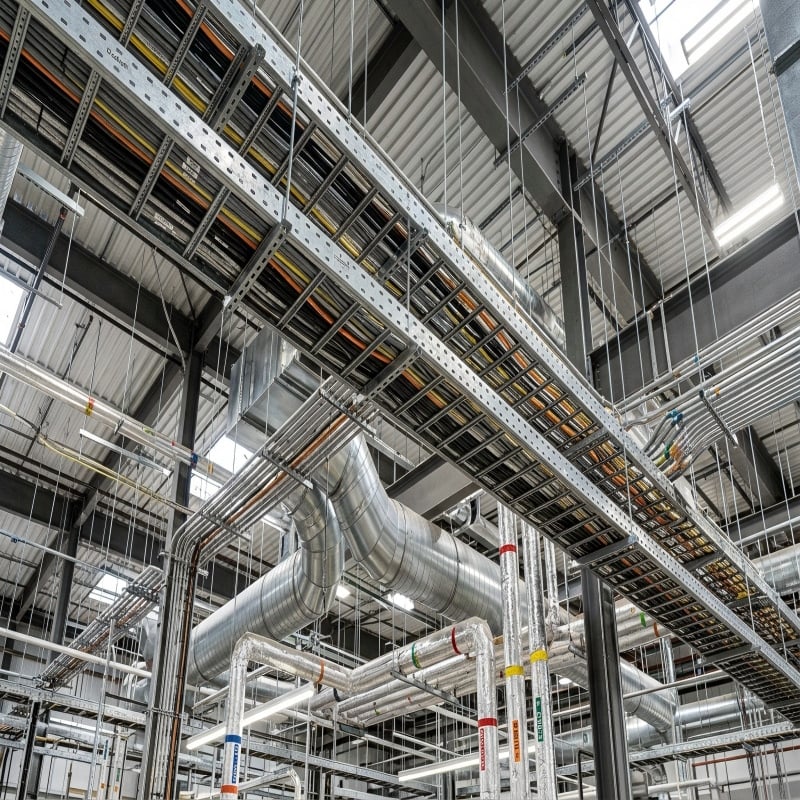
Material Specifications: The choice of material affects not only the performance but also the installation and long-term maintenance of the trunking. For example, steel trunking often requires surface treatments to prevent rusting, making it suitable for outdoor or industrial applications. In settings like Industrial Workshops, durability is a critical factor.
Load Capacity: Understanding the load capacity is vital to ensure that the trunking can support the weight of the cables without deformation. This is particularly important in installations with high cable density.
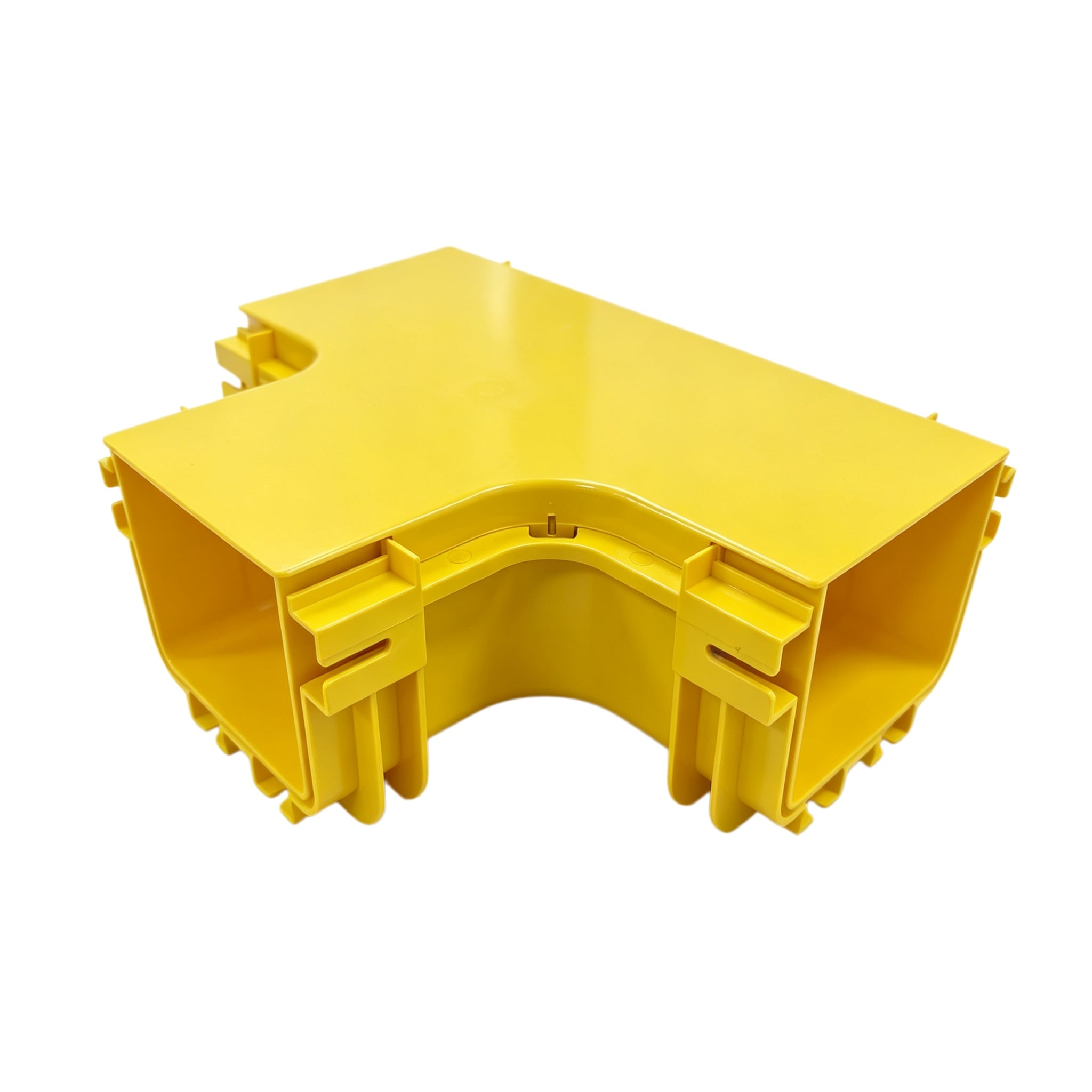
Dimensions and Configurations: Assess the internal dimensions to ensure there is adequate space for current and future cabling needs. Trunking can come in various shapes, such as rectangular or circular, which may impact installation and space management.
Compliance and Certifications: Verify if the trunking complies with local and international standards, such as IEC or UL ratings. Compliance ensures safety and reliability.
Customization Options: Determine whether the supplier can accommodate specific design requirements, such as custom lengths or finishes. This is particularly useful for unique installations or branding needs.