Electric Cable Ducting Underground: Key Insights

Get a Free Quote

Our representative will contact you soon.
Email
Mobile/WhatsApp
Name
Company Name
Message
0/1000

electric cable ducting underground

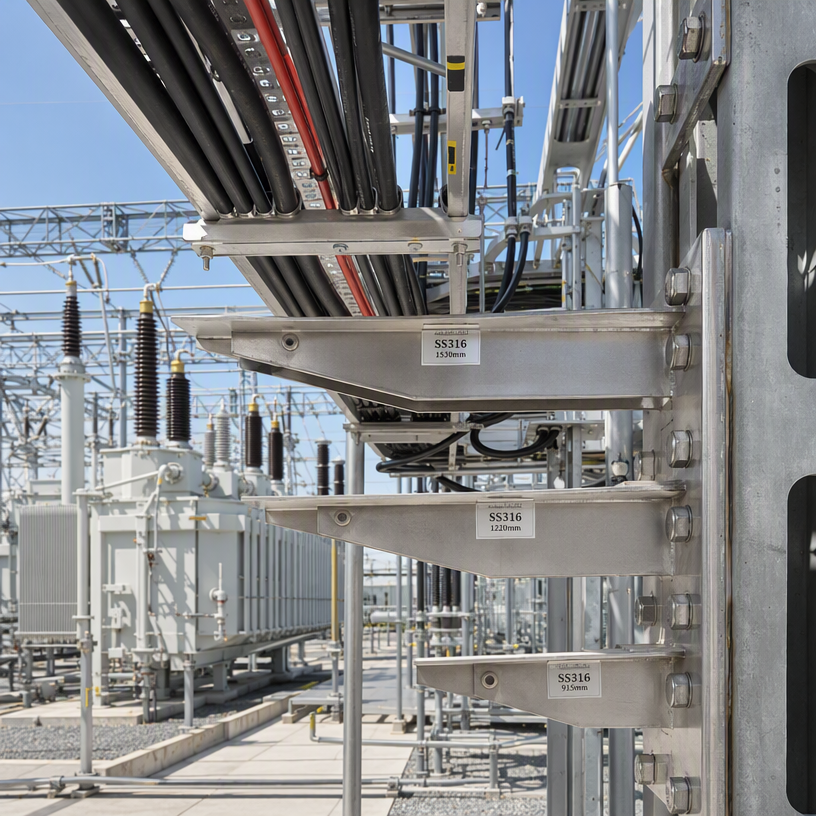
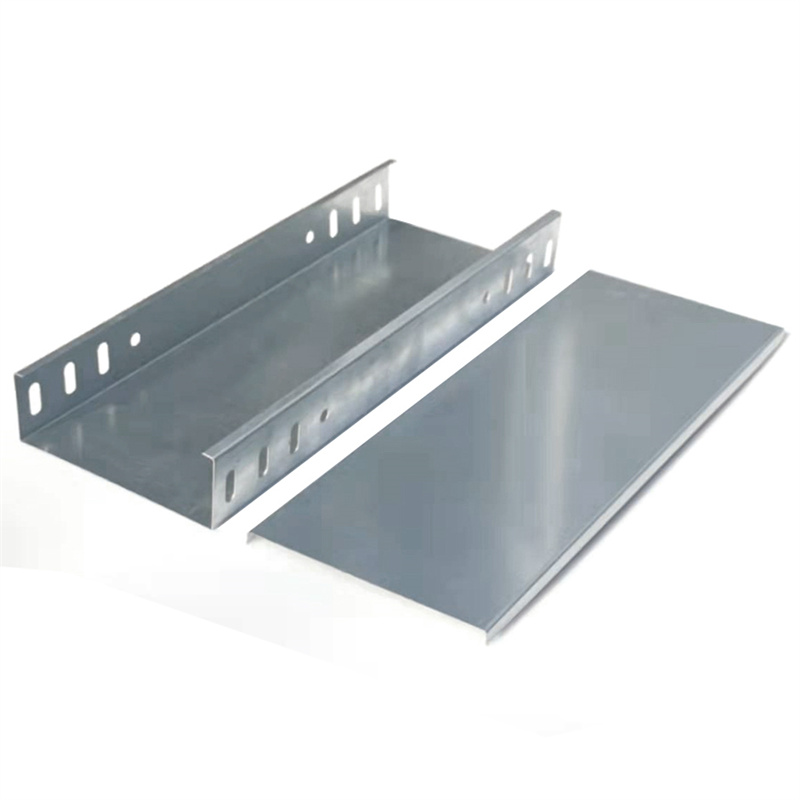
Electric cable ducting underground is  an essential infrastructure component for protecting  electrical cables in various  applications. It provides a  safe and organized method for routing electrical  lines, minimizing the risk of damage from environmental factors or physical interference. For B2B  buyers, particularly  purchasing managers, engineers,  and  project managers, understanding the intricacies  of electric cable ducting is  crucial  for selecting  the right solution that  meets their specific needs. This article  will  explore the  benefits,  installation guidance, common issues, and material  advantages associated with electric  cable ducting for underground applications.
Our Products

Where to Source Reliable Suppliers for Electric Cable Ducting

Where to Source Reliable Suppliers for Electric Cable Ducting

Trust in a supplier of electric  cable ducting  is paramount for B2B buyers. A reputable manufacturer, such  as Shanghai Qinkai Industry  Co., Ltd.,  offers several  advantages: consistent quality, reliable delivery, and  adherence to safety  standards.  Buyers should  look for manufacturers with  established quality control processes  and certifications that demonstrate compliance with industry  regulations.

Additionally, it is beneficial to evaluate the supplier's experience and  expertise in the specific requirements of  electric cable ducting. Experienced  manufacturers can  provide valuable insights into material selection, design considerations, and installation best practices. Engaging with a trusted  supplier can also streamline the purchasing process,  ensuring that the right product specifications are met and  that the product will perform as expected in the intended application.
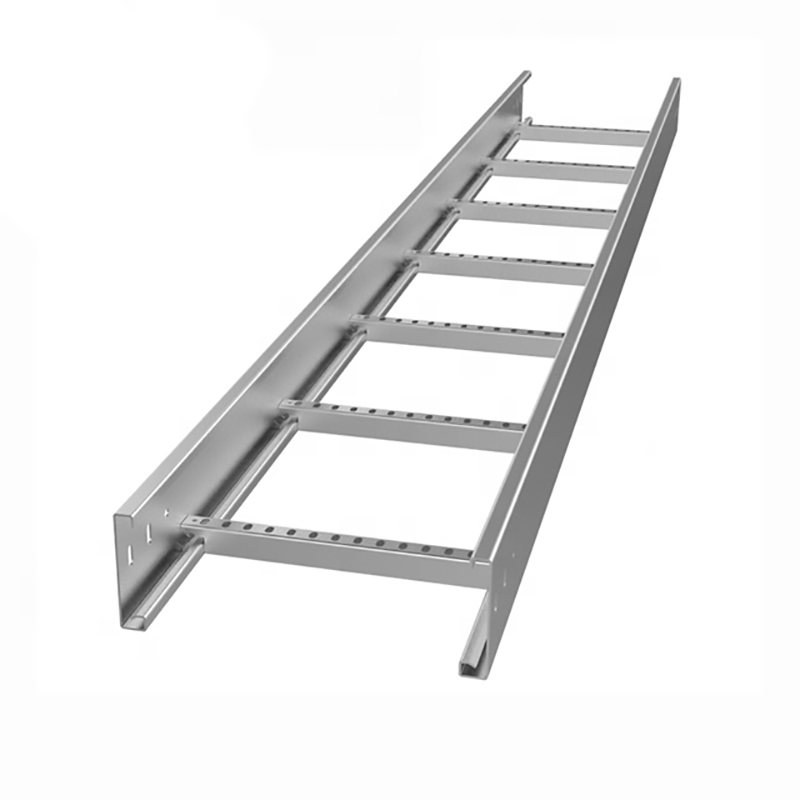
Cost Factors to Consider When Purchasing Electric Cable Ducting

Cost Factors to Consider When Purchasing Electric Cable Ducting

Proper  installation of electric cable ducting is critical to ensure its performance and longevity. Before installation, it is essential to conduct a site survey to assess soil conditions, moisture levels,  and potential obstacles. This information will guide the selection of the appropriate ducting material and configuration.

When installing electric cable ducting, the following steps  should be  observed:

Trenching: Dig a trench that meets the local regulations regarding depth and width. Ensure the trench is wide enough to accommodate the ducting and  any necessary bedding material.

Bedding: Place a layer  of  sand or fine  gravel at the bottom of the trench to support the ducting and facilitate drainage. This will help prevent moisture accumulation around the cables.

Duct Placement: Lay the ducting into the trench, ensuring that it is adequately spaced apart if multiple ducts are being installed. Ducts  should be secured in place to prevent movement during backfilling.

Backfilling: Carefully backfill the trench with soil, avoiding  any heavy machinery that could compact the soil too much or damage the ducting. Mark the location  of  the ducting  above ground to prevent  accidental damage in the future.

Final Inspection: After installation, conduct a thorough inspection to ensure all ducting is  properly installed and free of any obstructions.


By following  these guidelines, buyers  can ensure that  their electric cable ducting systems are installed correctly, optimizing their effectiveness and  durability.

Common Problems with Electric Cable Ducting and Their Solutions

Common Problems with Electric Cable Ducting and Their Solutions

Despite its benefits, electric cable ducting can encounter several common  problems. Understanding these issues can help buyers  address them proactively.

Moisture Ingress: One of the most frequent problems is moisture entering the ducting, which can  lead to cable corrosion. To mitigate this,  it is crucial to ensure that the ducting is sealed correctly  at  joints and that appropriate drainage is in place.

Physical Damage: Ducting can be damaged during installation or subsequent construction activities. Using protective measures, such as warning  tape or markers above ground, can help prevent accidental impacts.

Blockages: Over time, debris or  soil can obstruct ducting, hindering cable access. Regular inspection  and maintenance can help identify and clear blockages before they become problematic.

Thermal Expansion:  Temperature fluctuations can cause ducting materials to expand  and  contract, potentially  leading to  cracking or separation. Selecting ducting  made  from materials with  suitable thermal  properties can alleviate this issue.

By addressing  these common problems,  buyers can enhance the reliability and longevity of their underground electric cable ducting systems, particularly in applications such as Power Plants.

Applications of Electric Cable Ducting in Various Industries

The choice of  materials for electric cable ducting significantly impacts its performance and suitability for various applications. Several materials are commonly used, each with specific advantages:

PVC (Polyvinyl Chloride): Known for its  lightweight and corrosion-resistant properties, PVC ducting is often used in less demanding environments. It is cost-effective and easy to install, making it a popular choice for various applications.

HDPE (High-Density Polyethylene): HDPE is robust, flexible, and  resistant  to chemicals and UV radiation, making it ideal for outdoor installations.  Its durability ensures long-term performance even in harsh environmental conditions.

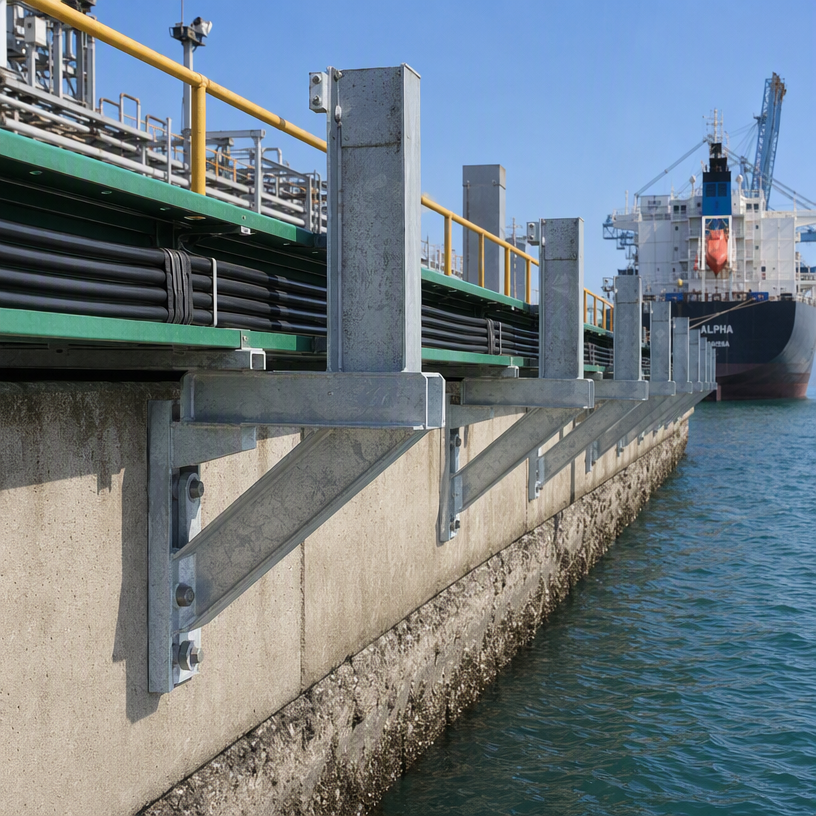
Metallic Ducting: Options like  galvanized  steel provide superior strength and protection against physical impacts. However, they are heavier  and may  require more effort during installation. Metallic  options are often used in industrial applications where cable protection is paramount. For instance, Marine Engineering projects often require durable and reliable ducting solutions.

Composite Materials: These materials combine the advantages of plastics  and metals, offering strength, flexibility, and resistance to environmental factors. They are increasingly popular in specialized applications.

When selecting the  appropriate material,  buyers should  consider factors such  as the intended application, environmental conditions, and required strength. Consulting with a manufacturer can provide insights  into the best material choices for  specific needs.

By understanding the benefits of electric cable ducting underground, buyers can make informed decisions that enhance their projects' efficiency and safety. With proper installation, material selection, and ongoing maintenance, electric cable ducting systems  can provide reliable and durable protection for critical electrical  infrastructure.


Evaluating Quality Standards in Electric Cable Ducting Products

The primary benefit of using electric cable ducting underground is  enhanced protection for electrical cables. This type of ducting shields cables from environmental  hazards such as moisture, soil pressure, and chemical  exposure, significantly reducing the risk  of cable failure. Additionally, electric cable ducting supports better cable organization and management,  making it easier to identify and maintain electrical  lines over  time. In industrial applications, such as those found in Industrial Workshops, proper ducting is crucial for ensuring the safety and efficiency of electrical systems.

Moreover, using  underground ducting contributes to safety by lowering the risk of electrical  hazards. Cables housed in ducting  are less likely to be accidentally  cut or damaged during construction or landscaping activities. This  not only helps in preventing  electrical accidents but also reduces the costs associated  with repairs or  replacements. Ducting systems can also facilitate future upgrades by  allowing for easier  installation of additional  cables without  the need  for extensive excavation.

Frequently Asked Questions

What is electric cable ducting underground?

Underground electric cable ducting is a protective conduit system that routes power and data cables below grade, shielding them from physical damage, moisture, and interference while allowing organized installation and future access.
Common materials include high-density polyethylene (HDPE), PVC, and concrete. Shanghai Qinkai can supply durable metal supports and accessory components to integrate with these ducts and ensure stable installations.
We provide engineered supports, C-channel steel, finished brackets, and mounting accessories to simplify trench layout, secure ducts, and meet seismic or load requirements for long-term reliability.
Yes. Our ducting accessories and support systems are compatible with solar mounting and seismic bracing, enabling coordinated routing and secure retention of cables in varied infrastructure projects.
We supply product specifications, load and material data, and fabrication drawings. Testing and certifications are available upon request to meet project standards and regulatory requirements.

Our Blog Posts

Complete Hardware Glossary: Solar Mounting, Pipe Supports and Cable Management Parts

21

Sep

Complete Hardware Glossary: Solar Mounting, Pipe Supports and Cable Management Parts

Understanding the components of solar mounting structures, pipe supports, and cable management parts is crucial for professionals in the manufacturing and construction industries. This complete hardware glossary will provide insights into evaluating ...
View More

Get a Free Quote

Our representative will contact you soon.
Email
Mobile/WhatsApp
Name
Company Name
Message
0/1000

Related product categories

Electric Cable Ducting Underground: Key Insights

Get a Free Quote

Our representative will contact you soon.
Email
Mobile/WhatsApp
Name
Company Name
Message
0/1000