
Key Benefits of C-Channel Ceilings for Construction

Get a Free Quote

Our representative will contact you soon.
Email
Mobile/WhatsApp
Name
Company Name
Message
0/1000

c channel ceiling

C-channel  ceilings are  essential components in various construction and industrial  applications, providing robust support  and structural integrity. For  B2B buyers, understanding  the specifications, sourcing, and best practices surrounding C-channel  ceilings  is crucial to ensure optimal performance and  cost-effectiveness. This  article  delves  into key specifications  and  benefits, sourcing reliable suppliers, important  product features,  best practices for  procurement, and  cost  factors to consider when purchasing  C-channel ceiling materials. For those interested in related fields, exploring Marine Engineering can provide further insights into structural applications.

Sourcing Reliable Suppliers for Bulk Orders

When sourcing C-channel  ceilings,  it's essential to evaluate potential suppliers  based on their manufacturing capabilities and reliability. Start by assessing their production capacity, which indicates their ability to fulfill large  orders within a specified  timeframe. A supplier with advanced manufacturing equipment, such as automated cutting and welding machines, can  ensure precise dimensions and  consistent quality.

Additionally, consider  the  supplier's experience in the industry. A company like  Shanghai Qinkai Industry Co.,  Ltd., with a specialization in C-channel steel and related products,  can offer valuable insights and support  throughout  the purchasing process. Furthermore, it's beneficial to verify their quality control processes and certifications,  which can reassure buyers about the consistency and  reliability of the products.

Always request samples before placing bulk orders. This allows you to inspect the  material quality, dimensions, and finish, ensuring they meet your specific  requirements. Establishing clear communication with the supplier regarding lead times, packaging, and delivery logistics is also crucial for a  smooth  procurement process.
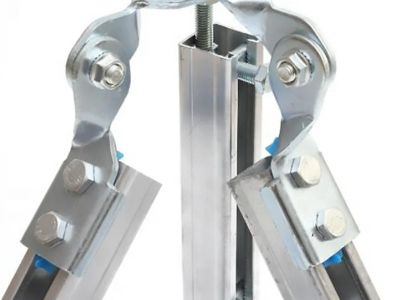
What to Look for in C-Channel Ceiling Products

When evaluating C-channel  ceiling products, several key factors  should be taken into consideration.  First, confirm the dimensions and specifications, ensuring they align with  your project requirements. It's essential to verify that the channel's height and width can accommodate the necessary load  requirements  for your application.

Material selection  is another critical aspect. The  choice  between galvanized steel, stainless steel, or painted finishes can affect both performance and aesthetics. Galvanized steel offers corrosion resistance, making it suitable for outdoor applications, while  painted  finishes may be preferred for interior installations where aesthetics are  paramount.

Check for  compliance with relevant industry standards and codes, which can vary depending on the application and location. This can include local building codes  or specific industry regulations that dictate material performance and safety.

Lastly, consider customization options. Many manufacturers, including those specializing in C-channel ceilings, offer custom lengths, widths, and finishes  to  meet specific project needs. Clear communication  of your  requirements and expectations can facilitate this process  and ensure  a successful outcome.

Best Practices and Tips

To ensure  a successful procurement  process for C-channel ceilings, consider these best practices:

Request  Detailed Quotations: Provide potential suppliers with  detailed specifications,  including required dimensions, finishes, and quantities. This allows for accurate pricing and reduces the risk of misunderstandings.

Sample Approval: Always request samples before finalizing orders. Evaluate the material's  quality,  finish, and  dimensions against your specifications. Testing the  sample under actual operating  conditions can help identify any potential issues before mass production.

Quality Inspection: Implement quality inspection protocols upon receiving materials. Check for any physical defects, such as warping or surface damage, and  ensure that  the products meet the agreed-upon specifications.

Establish Clear Communication: Maintain open lines of communication with your supplier throughout the process. This ensures that any issues are promptly  addressed, and adjustments can  be made as necessary.

Evaluate Supplier Performance: After project completion,  review your supplier’s  performance based on product quality, delivery  times,  and customer service. This can inform future sourcing decisions and foster strong  relationships with  reliable partners.

Cost Factors to Consider When Purchasing C-Channel Ceiling Materials

Several factors influence the cost of  C-channel ceiling materials,  impacting your overall budget. First,  the material cost is a primary factor; higher-grade steel and  additional  finishes, such as galvanization or  powder coating, can increase expenses.

The dimensions  of the  C-channels also play a significant role in pricing. Wider and  thicker channels typically come with higher costs due to the increased material usage. Additionally, custom sizes may incur extra  charges, so it’s essential to weigh the  benefits of customization against budget constraints.

Another cost factor is the supplier’s shipping and handling fees. These can vary significantly based  on the supplier's location, shipping method,  and delivery timeline. Requesting quotes from multiple suppliers can help identify the most economical option.

Lastly,  consider  the total cost of  ownership, which includes  installation and maintenance costs over the product's lifecycle. Investing in higher-quality materials may offer long-term savings by  reducing the need for repairs or replacements.

By understanding  these cost factors,  you can make informed purchasing decisions that align with your project's budget and requirements. Don't forget to factor in potential costs associated with projects like Power Plants where C-channel ceilings might be used for supporting heavy equipment.

Key Specifications and Benefits

C-channel ceilings are typically made from high-strength steel, offering durability and resistance to deformation under load. Key specifications  include the dimensions (width, height, and  thickness), which directly  influence the load-bearing capacity of the channel. For example,  a wider channel can  support heavier loads but may also increase material costs.


Another critical specification is the steel grade,  which affects  corrosion  resistance  and structural integrity. Common steel grades used in  C-channel ceilings include ASTM A36 and  A992,  known for  their high strength and weldability. Coatings, such as galvanized or  powder-coated  finishes, can enhance corrosion  resistance, particularly in humid or chemically aggressive environments.


The benefits of using C-channel ceilings include ease of installation, versatility in application, and the ability to integrate with various building systems. They are commonly used in commercial buildings, warehouses,  and industrial  facilities, providing essential support for HVAC systems, lighting, and other infrastructure. Additionally, these ceilings are often utilized in Industrial Workshops for their structural strength and reliability.

Frequently Asked Questions

What is the C channel ceiling product used for?

C channel ceiling provides structural support for suspended ceilings, cable management, lighting fixtures, and mounting of MEP components in commercial and industrial buildings.
Available materials include hot-rolled and cold-rolled steel with finishes such as galvanized, pre-galvanized, and powder-coated for corrosion resistance.
Yes. We offer custom lengths, hole patterns, thicknesses, and pre-drilled options to match project drawings and installation requirements.
Load capacity depends on section size and span. Our products are manufactured to relevant structural standards and can be rated per project requirements upon request.
Contact our sales team with project details, required dimensions, and quantities. We can provide samples, CAD drawings, load data, and installation guidance.

Our Blog Posts

Complete Hardware Glossary: Solar Mounting, Pipe Supports and Cable Management Parts

21

Sep

Complete Hardware Glossary: Solar Mounting, Pipe Supports and Cable Management Parts

Understanding the components of solar mounting structures, pipe supports, and cable management parts is crucial for professionals in the manufacturing and construction industries. This complete hardware glossary will provide insights into evaluating ...
View More

Get a Free Quote

Our representative will contact you soon.
Email
Mobile/WhatsApp
Name
Company Name
Message
0/1000

Related product categories

Key Benefits of C-Channel Ceilings for Construction

Get a Free Quote

Our representative will contact you soon.
Email
Mobile/WhatsApp
Name
Company Name
Message
0/1000