EN
EN

Steel wire cable trays are essential components in electrical and telecommunications installations, designed to support and organize cables while protecting them from environmental damage. As a B2B buyer, you likely prioritize durability, installation ease, and compliance with industry standards. This article will guide you through key specifications, installation guidance, common issues, benefits, and quality standards associated with steel wire cable trays, helping you make informed purchasing decisions.
Installation Guidance for Steel Wire Cable Tray Systems
Proper installation of steel wire cable trays is critical to achieving functional and durable cable management systems. Here are some key installation guidelines:
Planning and Layout: Before installation, plan the tray layout to optimize cable routing and access for maintenance. Use CAD software or detailed sketches to visualize the installation, considering bends, drops, and junctions.
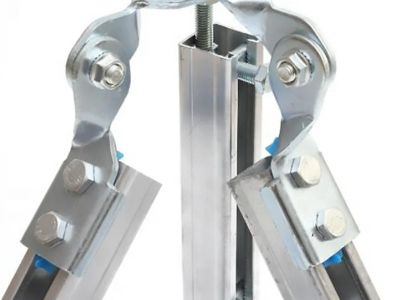
Mounting and Support: Ensure that trays are mounted on structurally sound surfaces. Use appropriate mounting brackets and supports to secure the trays at intervals specified by the manufacturer. This ensures stability and prevents sagging under load.
Cable Placement: When placing cables within the trays, avoid overcrowding, which can lead to heat buildup and damage over time. Group cables by type and size, and use cable ties or clamps to secure them in place.
Compliance with Electrical Codes: Always adhere to local electrical codes and regulations during installation. This may include specific spacing requirements and grounding practices to ensure safety and compliance.
Testing and Inspection: After installation, conduct a visual inspection and functional test to ensure that the trays can support the intended cable load without any issues. Look for any signs of stress or misalignment that could affect performance.
Following these guidelines can help you achieve a successful installation of steel wire cable tray systems.