EN
EN

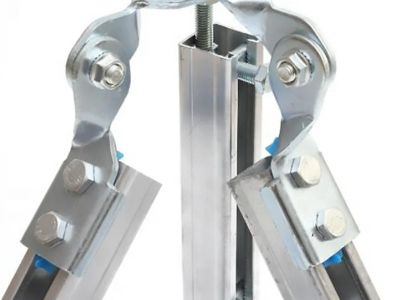
Unistrut trolley systems are essential components in various industrial applications, providing flexibility and support for overhead loads. For purchasing managers and engineers, sourcing high-quality trolley systems is critical to ensure robust performance and reliability. This article will delve into crucial aspects of unistrut trolley systems, addressing specifications, common issues, and the advantages of choosing the right supplier, specifically Shanghai Qinkai Industry Co., Ltd., a trusted manufacturer in this space.
Key Specifications of Unistrut Trolley Systems for Buyers and Contractors
Understanding the key specifications of unistrut trolley systems is vital for making informed purchasing decisions. Here are some critical factors to consider:
Material: Most trolley systems are made from high-strength steel or aluminum, which provide durability and resistance to corrosion. The choice of material can impact the system's weight capacity and longevity.
Load Capacity: It's essential to confirm the load rating of the trolley systems. This rating indicates the maximum weight the system can safely support. Buyers should evaluate their specific application requirements to ensure the selected system meets or exceeds these demands.
Dimensions: The dimensions of the trolley and its components must align with the installation space and the intended application. Accurate measurements are crucial to ensure compatibility with existing structures or equipment.
Customization Options: Many manufacturers offer customization to fit unique application needs. Factors such as length, width, and specific component configurations can be tailored to suit various operational requirements.
Installation Requirements: Understanding the installation process is also critical. Ensure that the trolley system can be easily integrated into your existing setup without extensive modifications.