
Evaluating Cable Tray and Trunking Specifications

Get a Free Quote

Our representative will contact you soon.
Email
Mobile/WhatsApp
Name
Company Name
Message
0/1000

cable tray and trunking

Cable  trays  and  trunking are essential components  in electrical and telecommunications systems, serving  to support and manage cables in both  commercial and industrial  settings.  Choosing  the right cable tray or  trunking  product is critical for ensuring safety, efficiency, and compliance with regulatory standards. Purchasing managers and engineers often  face challenges in  evaluating options,  understanding specifications, and ensuring quality. This article will guide  you through key  considerations in evaluating cable tray  and  trunking specifications, quality factors,  cost considerations, supplier  sourcing, and essential durability aspects.

Key Quality Factors to Consider for Cable Tray Products

Quality is  paramount when purchasing  cable trays  and trunking. Here are essential factors to  consider:

Manufacturing Standards: Look for suppliers who adhere to recognized international quality standards (e.g., ISO 9001). This ensures that the manufacturing processes meet high-quality benchmarks.

Material Certification: Verify that  materials used in the construction of cable trays are certified. For example,  check for compliance with ASTM standards for steel or aluminum  used in the trays.

Finish and Coating: The surface finish affects  durability. Galvanization, powder coating,  or anodizing can enhance  resistance to corrosion and wear. Ensure that  the finish meets the requirements of your installation environment.

Testing and Inspection: Reliable manufacturers conduct rigorous testing on their products, including  load testing and environmental exposure tests. Ask  for documentation that demonstrates these  tests were performed and passed.

Customization Options: If  your project has unique requirements, inquire about customization capabilities. A manufacturer that  can tailor products to your  specifications can reduce installation challenges and  ensure compatibility with existing systems.

By focusing on these quality factors, you can mitigate risks associated with performance failures and ensure long-term reliability.
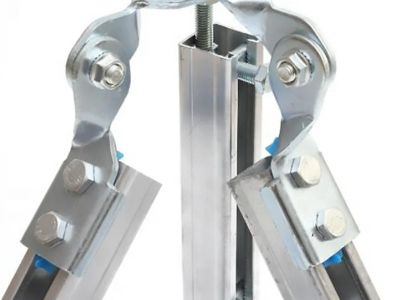

Cost Considerations for Bulk Cable Tray Purchases

When planning  to purchase cable trays and trunking in bulk, several  cost  factors come into play:

Unit Price vs. Total Cost: While  a lower unit price  might seem appealing, consider the total  cost of ownership.  This  includes installation costs, maintenance, and any potential downtime from failures.

Volume Discounts: Many manufacturers offer discounts for  bulk purchases. Discuss your project scope with suppliers  to negotiate better  rates based on your required quantities.

Shipping and Handling:  Bulk purchases may incur higher shipping costs, especially if the trays are large  or  heavy. Factor in these costs when evaluating your budget.

Lifecycle Costs: Consider the expected lifespan of the cable trays. Higher quality products may have a higher upfront cost but could lead to savings over  time due to reduced maintenance and replacements.

Financing Options: Some suppliers may offer financing solutions for large orders, which can ease cash flow pressures. Explore these options if applicable.

By  carefully  analyzing these  cost considerations,  you can optimize your purchasing strategy and ensure that you remain within budget while acquiring the best products for your needs.

Where to Find the Best Cable Tray Suppliers for Your Needs

Finding reputable cable tray suppliers is crucial to  ensuring product quality and service reliability. Here are some strategies to source  the best suppliers:

Industry  Referrals: Reach out to colleagues or industry contacts for recommendations. Personal experiences can provide valuable insights  into the reliability of specific suppliers.

Online Marketplaces and Directories: Platforms like ThomasNet or industry-specific  directories can help you identify manufacturers and distributors.  Look for  companies with extensive product catalogs and positive reviews.

Trade Shows and Expos: Attending industry trade shows allows you to meet suppliers  in person, view  products  firsthand, and discuss requirements directly. This face-to-face interaction can be beneficial for establishing relationships.

Certifications and Compliance: When evaluating  suppliers, ensure  they have the necessary  certifications and compliance documentation. This indicates a commitment to quality and industry  standards.

Customer  Support and Service: Evaluate the level of customer support  offered by potential suppliers. Responsive communication and support can significantly affect  project  timelines and problem resolution.

By following these sourcing strategies, you can  connect with reliable suppliers that meet your  project needs and standards.

Strength and Durability

The strength and durability of cable trays and trunking are  critical for ensuring long-term  performance. Here’s what to  consider:

Load-Bearing Capacity:  Assess the load-bearing capacity of the trays based on your installed  cable  weight. Ensure that  the product meets  or exceeds the necessary load ratings for your specific application.

Material Strength: Different materials  provide varying levels of strength. For instance, C-channel steel offers robust support for heavy loads, while lighter materials like aluminum may suffice for low-load applications.

Environmental Resistance: Ensure that the trays are designed  to withstand environmental stresses, such as humidity, temperature fluctuations, and potential chemical  exposure. This is particularly  important for outdoor installations.

Design Features: Look for design features  that enhance strength and durability, such as reinforced corners and thicker gauge materials. These additions can improve the overall lifespan  of the product.

Installation Considerations: Proper installation is crucial for maintaining the  strength and durability of cable trays. Ensure that installers are familiar with best practices and that products are installed  according  to manufacturer guidelines.

By focusing on these strength and durability factors, you can ensure that your cable trays  and trunking will perform reliably, reducing the risk of system failures and maintenance issues over time.

By understanding these key aspects of cable trays and trunking,  you can make informed decisions that align with your  operational needs and budget constraints.

How to Evaluate Cable Tray and Trunking Specifications

When evaluating cable  trays and trunking, the first step is to understand  the  specifications that define their performance and suitability for your specific application. Key specifications include the material type,  dimensions, load capacity, and environmental  resistance.

Material Type: Common materials include steel, aluminum,  and fiberglass. Each material has unique properties; for instance,  steel offers superior strength, while aluminum is lighter and resistant to corrosion. The choice  of  material should align with the installation environment and expected  loads. For example, if you require a corrosion-proof solution, you might consider products like SS316 Cable Tray Bracket — Corrosion-Proof Support Arms for Power Plant Cable Systems.

Dimensions: The width, height, and length of the cable trays or trunking must accommodate  the cable  volumes and types you plan to install. Be mindful of local installation codes, which may dictate minimum size requirements.

Load Capacity: Load ratings are critical, particularly in industrial settings where heavy cables are used. Ensure that the selected product can safely support the weight of the cables, taking into account any additional loads from installation  accessories such as covers  or brackets.

Environmental Resistance: If  the installation is in a harsh environment, check for certifications related to moisture, temperature fluctuations, and  chemical exposure.  For example, galvanized steel may be suitable for outdoor installations, while stainless steel might be necessary for corrosive environments. Solutions like SS316 Wire Mesh Cable Tray — Marine-Grade Stainless Steel Cable Management for Offshore & Coastal Installations are specifically designed for such applications.

Understanding these specifications will help you make  informed decisions when selecting cable trays and trunking systems.

Frequently Asked Questions

What types of cable trays and trunking do you offer?

We supply perforated, ladder, solid-bottom cable trays and trunking in various widths, depths and materials including steel and galvanized finishes to suit industrial and commercial installations.
Yes. We manufacture custom tray lengths, widths, bends and stamping parts to customer specifications, including pre-drilled or punched options for fast installation.
Materials include carbon steel, hot-dip galvanized steel and stainless steel. Finishes include hot-dip galvanizing, electro-galvanizing and powder coating for corrosion resistance.
Yes. We offer C-channel supports, finished support assemblies and seismic bracing systems compatible with our cable trays for secure, code-compliant installations.
We provide product datasheets, dimensional drawings, material certificates and can support load/span tables. Additional testing or inspection reports available upon request.

Our Blog Posts

Complete Hardware Glossary: Solar Mounting, Pipe Supports and Cable Management Parts

21

Sep

Complete Hardware Glossary: Solar Mounting, Pipe Supports and Cable Management Parts

Understanding the components of solar mounting structures, pipe supports, and cable management parts is crucial for professionals in the manufacturing and construction industries. This complete hardware glossary will provide insights into evaluating ...
View More

Get a Free Quote

Our representative will contact you soon.
Email
Mobile/WhatsApp
Name
Company Name
Message
0/1000

Related product categories

Evaluating Cable Tray and Trunking Specifications

Get a Free Quote

Our representative will contact you soon.
Email
Mobile/WhatsApp
Name
Company Name
Message
0/1000