
Key Specifications for Stainless Steel C Channel

Get a Free Quote

Our representative will contact you soon.
Email
Mobile/WhatsApp
Name
Company Name
Message
0/1000

stainless steel c channel

Stainless steel C channel  is a versatile  structural  component widely used in industrial applications for its strength, durability, and resistance  to  corrosion.  Purchasing managers and engineers often seek reliable  options that meet specific  performance and  application needs. This article will explore the benefits of stainless steel  C channels, key specifications  to  consider when sourcing  them,  quality evaluation methods, their applications  in construction and manufacturing,  and the material advantages that  make them an ideal choice  for  various  projects.

Evaluating the Quality of Stainless Steel C Channel for Your Applications

When sourcing stainless steel C channels, several key specifications should be  considered to ensure they meet your project's  requirements:

Material  Grade: Common grades include  304 and 316 stainless steel. Grade 304 is suitable for general applications, while  316 offers enhanced corrosion resistance, particularly in marine environments or  when exposed to  harsh chemicals.

Dimensions: The width, height, and  thickness  of the C channel should match the structural  requirements of your project. Ensure you specify these dimensions when  requesting quotes or samples.


Finish: Surface treatments can affect the C channel's performance. Consider whether a polished finish is necessary for aesthetic reasons or if a mill finish suffices for structural applications.

Load Capacity: Assess the load requirements  of  your application to ensure the C channel can support the intended weight without compromising structural  integrity.

Custom Specifications: If  standard dimensions  do not meet your needs, inquire  about customization options. Many manufacturers can produce C channels to specific dimensions or finishes.

Understanding these specifications will help you make informed decisions and avoid common pitfalls  in  the sourcing process.
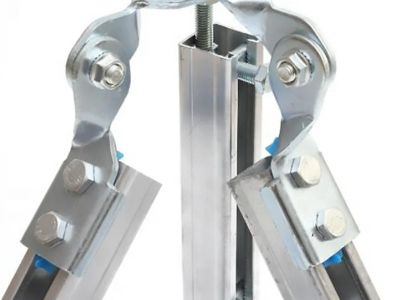
Installation Guidance for Stainless Steel C Channel in Construction Projects

Quality evaluation  of stainless  steel C channels is crucial to ensure they will perform as required.  Here are some  practical steps to  assess quality:

Material Certification:  Request material test certificates that verify the grade of stainless steel used.  This documentation should confirm  compliance with relevant industry standards.

Dimensional Accuracy:  Before mass production, obtain samples to verify that dimensions match your  specifications.  This step  is vital, as even minor deviations can lead to installation issues down the line.

Surface Integrity: Inspect samples for surface defects  or inconsistencies. A smooth, even finish  is essential for both aesthetic and practical purposes, as rough surfaces can affect the attachment of other  components.

Load Testing: If applicable, conduct load testing on samples to ensure they can withstand the required weight. This step is particularly important for structural applications where safety is paramount.

Supplier Reputation:  Evaluate the manufacturer's quality control processes and reputation in the  market. Established companies often have rigorous testing  and quality assurance protocols in place.

By following these  evaluation steps, you can ensure  that the stainless steel C channels you source will meet your project’s performance standards.

Common Problems with Stainless Steel C Channel and Their Solutions

Stainless  steel  C channels  are employed across various sectors due  to their structural benefits. In construction, they are commonly used in building frames,  trusses, and  supports for walls and ceilings. Their corrosion  resistance makes them particularly suitable for outdoor structures  and environments that may  expose  them to moisture and chemicals.

In the manufacturing sector, stainless  steel C channels are integral to the construction  of conveyor systems, machinery frames, and support structures  for heavy  equipment. Their strength  and rigidity provide stability, which  is critical in high-load applications. Additionally, they are often used in the fabrication of custom mounting systems for solar  panels, ensuring reliable performance in renewable energy installations.

The diverse applications of stainless steel C  channels  underscore their importance in modern infrastructure and  manufacturing.

How to Compare Different Stainless Steel C Channel Options for Your Needs

The material properties of stainless steel contribute significantly to the  advantages of C  channels in various applications. Here  are some key material benefits:


Corrosion Resistance: Stainless steel's chromium content forms a passive layer of oxide, which protects the metal from rust and corrosion.  This property makes it ideal  for use in environments where moisture or chemicals are present.

Strength and Durability: Stainless steel C channels maintain  their structural  integrity under high  loads and extreme  temperatures. Their strength ensures they can support heavy applications without deforming.

Low Maintenance: Unlike other materials that may require regular painting or coating to prevent corrosion, stainless steel’s protective layer means less  maintenance and longer lifespans.

Aesthetic Appeal:  The clean, polished  look of stainless steel is often desirable in architectural applications. Its ability to maintain appearance over  time  can enhance the overall look of structures.

Recyclability: Stainless steel is fully recyclable, making it an environmentally  friendly choice for manufacturers and builders who prioritize sustainability.

Considering  these material advantages can help you understand why stainless steel C channels are a preferred option for many industrial applications, ultimately influencing your purchasing decisions.

By understanding the benefits, specifications, quality evaluation, applications,  and material advantages of stainless steel C channels, you can make informed choices  that enhance the success and longevity of your  projects.

Key Specifications for Stainless Steel C Channel Products You Should Know

Stainless  steel C channels provide several advantages in industrial applications. Their inherent resistance to corrosion makes them  ideal for use  in harsh environments,  such  as chemical processing plants  or outdoor installations. This durability reduces the need for frequent  replacements, ultimately lowering maintenance  costs.

Additionally,  stainless steel C channels offer  high strength-to-weight ratios, making them suitable for structural support  without adding excessive  weight. This characteristic  can facilitate easier installation  and  enhance the overall  efficiency of projects. Moreover, their versatility allows for a range  of uses, from supporting cable trays  to forming part of seismic bracing  systems, making them  a critical component in many industrial applications.

Frequently Asked Questions

What sizes are available for stainless steel C channel?

We offer a range of widths, heights, and thicknesses for stainless steel C channels to suit various structural and cable support needs. Custom sizes are available upon request; please provide your specifications or drawings.
Common grades include 304 and 316 stainless steel for corrosion resistance. Other grades can be supplied on request depending on project requirements and environmental conditions.
Yes. We provide custom lengths, hole patterns, bends, finishes, and stamping to meet your installation and design needs. Share drawings or requirements for a tailored quote.
Stainless steel C channels, especially grade 316, are suitable for outdoor and marine environments due to excellent corrosion resistance. We can recommend the best grade for your conditions.
Lead time depends on size, quantity, and customization; typical orders ship within weeks. We maintain robust manufacturing capacity for cable trays, supports, and stamped parts to meet large and repeat orders.

Our Blog Posts

Complete Hardware Glossary: Solar Mounting, Pipe Supports and Cable Management Parts

21

Sep

Complete Hardware Glossary: Solar Mounting, Pipe Supports and Cable Management Parts

Understanding the components of solar mounting structures, pipe supports, and cable management parts is crucial for professionals in the manufacturing and construction industries. This complete hardware glossary will provide insights into evaluating ...
View More

Get a Free Quote

Our representative will contact you soon.
Email
Mobile/WhatsApp
Name
Company Name
Message
0/1000

Related product categories

Key Specifications for Stainless Steel C Channel

Get a Free Quote

Our representative will contact you soon.
Email
Mobile/WhatsApp
Name
Company Name
Message
0/1000