 EN
EN

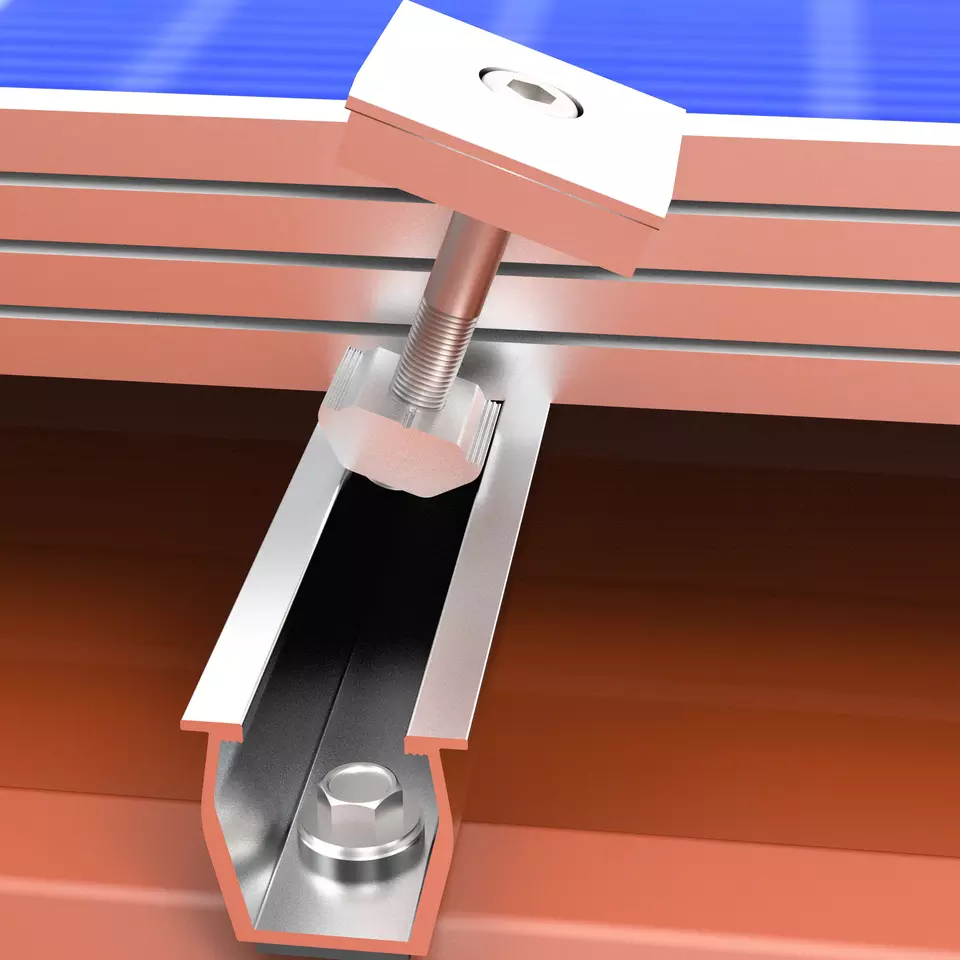
Aluminum track accessories for movable solar panel support structures play a crucial role in enhancing the efficiency and stability of solar installations. These accessories ensure that solar panels are securely mounted, allowing for optimal positioning and movement to capture sunlight. For B2B buyers, key concerns include product specifications, quality, compatibility with existing systems, and installation best practices. This article aims to provide practical insights into sourcing, using, and installing QINKAI aluminium track channel accessories effectively, along with considerations for purchasing decisions.
Where to Source Reliable Suppliers for Track Accessories?
Finding reliable suppliers for aluminum track accessories requires careful evaluation of potential manufacturers. Start by looking for companies with a robust track record in manufacturing solar mounting structures and related components. Research suppliers like Shanghai Qinkai Industry Co., Ltd., known for their comprehensive product range including solar mounting structures and accessories.
When assessing suppliers, consider factors such as their manufacturing capabilities, quality control processes, and certifications. Request samples of their products to evaluate quality firsthand. Engaging with suppliers at industry trade shows or networking events can also provide valuable insights into their reputation and reliability. Additionally, online marketplaces and industry-specific directories can help identify potential suppliers, but be sure to verify their credentials and customer reviews before making a decision.
What You Need To Know?
Before purchasing aluminum track accessories, it’s essential to understand the specific requirements of your solar panel installation. Key factors to consider include:
Material Specifications: Aluminum is favored for its lightweight and corrosion-resistant properties. Ensure the accessories meet the necessary strength requirements to support the solar panels effectively.
Compatibility: Confirm that the accessories are compatible with the solar panels and mounting structures you are using. This includes checking the dimensions and load capacities.
Customization Options: Depending on the project, you may need custom sizes or configurations. Discuss these options with suppliers to ensure they can meet your unique requirements.
Performance Standards: Verify if the accessories adhere to applicable industry standards and regulations, which can affect their performance in various environmental conditions.
Quantity and Lead Time: Determine the minimum order quantities (MOQ) and expected lead times for delivery. This will help you plan your project timeline effectively.
Best Practices for Installing Aluminum Track Accessories Effectively
Proper installation of aluminum track accessories is crucial for the long-term performance of solar installations. Here are some best practices to follow:
Site Assessment: Conduct a thorough assessment of the installation site to determine the optimal positioning for the solar panels. Consider factors like shading, tilt angles, and local weather conditions.
Follow Manufacturer Guidelines: Always adhere to the installation instructions provided by the manufacturer. This will ensure that the accessories are installed correctly and function as intended.
Utilize Proper Tools: Use the right tools and equipment during installation to avoid damaging the accessories. This includes using torque wrenches for securing bolts to the specified torque values.
Check Alignment and Leveling: Ensure that the tracks are aligned and leveled properly before securing the panels. Misalignment can lead to uneven weight distribution and may compromise the structure's integrity.
Regular Maintenance: After installation, schedule regular inspections to check for wear and tear on the accessories. This proactive approach can help identify potential issues before they escalate.
Cost Factors to Consider When Purchasing Track Accessories
The cost of aluminum track accessories can vary widely based on several factors. Buyers should consider the following:
Material Quality: Higher-grade aluminum may come at a premium but can improve durability and reduce maintenance costs over time.
Customization Requirements: Customization can add to the base price. Be clear about your needs from the outset to avoid unexpected costs.
Order Volume: Bulk orders often qualify for discounts. Determine your project requirements and negotiate QINKAI aluminum track channel pricing based on quantity.
Shipping and Handling: Factor in shipping costs, especially if sourcing from international suppliers. Understanding the total landed cost is essential for accurate budgeting.
Warranty and Support: Consider the warranty period and after-sales support provided by the manufacturer. A longer warranty may justify a higher upfront cost if it indicates greater reliability.
Exploring Applications of Aluminum Track Accessories in Solar Support
Aluminum track accessories are versatile components that can be applied in various solar support structures. Common applications include:
Ground-Mounted Systems: In these setups, track accessories provide the necessary support and adjustability for solar panels mounted on the ground. This allows for optimal angles to capture sunlight throughout the year.
Rooftop Installations: For rooftop solar installations, track accessories ensure secure attachment to the building structure, accommodating different roof types and layouts.
Tracking Systems: Advanced solar installations may use tracking systems that rely on aluminum track accessories to enable panels to follow the sun’s path, maximizing energy capture.
Temporary Structures: In some cases, aluminum track accessories can be used for temporary or portable solar setups, providing flexibility for various applications, such as events or disaster relief.
By understanding these applications, buyers can better assess their needs and determine how aluminum track accessories can enhance their solar panel installations.
In summary, aluminum track accessories for movable solar panel support structures are essential for ensuring the stability and efficiency of solar installations. By sourcing reliable QINKAI aluminum track suppliers, understanding the necessary specifications, following best installation practices, and considering cost factors, buyers can make informed purchasing decisions that contribute to the long-term success of their solar projects.