
Choosing the Right Strut Channel Bracket for Projects

Get a Free Quote

Our representative will contact you soon.
Email
Mobile/WhatsApp
Name
Company Name
Message
0/1000

strut channel bracket

Strut channel brackets are essential components used  in  various industrial applications to support piping,  electrical  conduits, and other systems. Choosing the right strut channel bracket can significantly impact project efficiency and  safety. B2B buyers,  including purchasing managers and  engineers,  often  have  concerns  regarding compatibility, material quality, and installation processes. This article  will guide you  through  selecting  the appropriate strut  channel bracket  for your project,  provide insights into  the buying process, and address common challenges faced during installation.


Reliable Suppliers for Strut Channel Brackets

When purchasing strut channel brackets, several key considerations will help streamline the process and ensure successful procurement:

Request for Quotation (RFQ): Prepare  a detailed RFQ that includes specifications such  as material type, dimensions, load  capacity,  and quantity. Providing as much detail as possible will help suppliers provide accurate quotes.

Minimum Order Quantity (MOQ): Understand the supplier's  MOQ, which  can  vary significantly between manufacturers. This can affect  your budgeting  and  project timeline, especially if custom brackets are required.

Customization Needs: If your project requires specific features, such as unique dimensions or load ratings, communicate these needs upfront. Many  manufacturers, like Shanghai Qinkai Industry Co., Ltd.,  offer customization options to meet diverse project requirements. You may also want to consider the Qinkai Heavy-Duty Industrial Cable Tray System for robust support solutions.

Lead  Time: Inquire about the lead time for production and delivery. This is particularly important  for projects  with tight schedules.

Quality Assurance:  Ask about the manufacturer’s quality control processes and any relevant certifications. A  reliable supplier should provide documentation regarding their quality assurance standards.


By following this guide, you can effectively navigate the purchasing process and ensure you receive the right product  for your  needs.
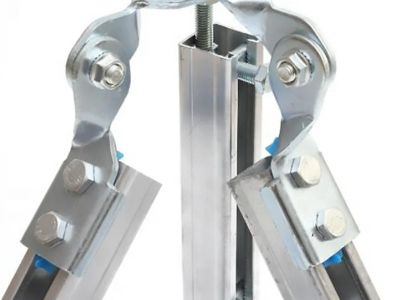
Evaluating the Quality of Strut Channel Brackets for Durability

Identifying reliable suppliers is crucial for successful procurement. Here are several strategies to locate trustworthy manufacturers and distributors:

Industry Directories:  Utilize online industry directories and trade platforms that list manufacturers and suppliers. These platforms often provide reviews and ratings that can help assess supplier credibility.

Trade Shows and  Exhibitions: Attend  relevant  trade  shows to meet suppliers in person. This  allows you  to see product samples,  discuss your requirements, and build relationships with potential vendors.


Referrals and Recommendations: Leverage your  professional network for recommendations on reputable suppliers. Colleagues in similar industries can  provide insights based on their experiences.

Online  Research: Conduct thorough online research  to evaluate potential suppliers. Look for customer testimonials, case studies,  and their portfolio of projects to gauge their experience and product quality.

By taking  these steps,  you can  find a  supplier who meets your quality  and  service expectations.

Cost Factors to Keep in Mind When Purchasing Strut Channel Brackets

Proper installation of strut  channel brackets is vital for safety  and performance. Here are some practical tips to ensure  a successful installation:


Preparation: Before installation, review the project plans  and specifications to ensure that all components are  accounted  for and compatible. This includes checking the dimensions of the strut channel and the brackets.

Tools and Equipment: Use the appropriate tools for  installation,  such as wrenches, drills, and level gauges. Ensure  that the tools are in good condition and suitable for the materials being used.

Alignment and Leveling: When installing the brackets, ensure they  are  properly aligned and leveled. Misalignment can lead to stress points and potential failure of the support system. Use a level gauge to confirm alignment during installation.

Secure Fastening: Utilize  the correct type and size of fasteners specified for the application. Tighten all connections securely to prevent loosening over time. Consider using lock washers or thread-locking compounds for added security.


Regular Inspections:  After installation, conduct regular inspections to check for signs of wear, corrosion, or loosening of fasteners. Address any issues promptly to maintain  the integrity of the installation.


Following these installation tips will enhance the longevity and reliability of your  strut  channel  brackets.

Common Problems with Strut Channel Brackets and Effective Solutions

While strut  channel brackets are designed for durability, several common issues may arise during their use. Here  are some potential problems along with effective solutions:

Corrosion: In environments with high humidity or exposure to chemicals, brackets may corrode. To prevent this, choose materials with appropriate corrosion resistance, such  as galvanized or stainless steel. Regular maintenance and inspections can also  help identify  early signs of  corrosion.

Misalignment: If brackets are not installed correctly, misalignment can lead to  structural failure. Always ensure brackets are properly aligned and  leveled during installation. If misalignment occurs post-installation, adjustments should be made immediately to avoid stress on connected components.

Load Overcapacity:  Using a strut channel bracket beyond its load capacity can lead to deformation or failure. Always verify the load ratings during the selection process and  avoid overloading the system. If heavier  loads are anticipated, consult with a supplier for suitable alternatives.

Fastener Failure: Fasteners may loosen or  break over  time  due to vibration or inadequate torque. Use high-quality fasteners and consider using locking mechanisms. Regular maintenance checks should  include inspecting fasteners for wear or damage.


By being aware of  these  common issues and their  solutions, you can enhance the reliability of your strut channel  bracket installations and minimize downtime.

Choosing the Right Strut Channel Bracket for Your Project Needs

Selecting the right strut channel bracket begins with understanding the  specific requirements  of your project. Consider the load-bearing capacity,  environmental factors, and  compatibility with existing systems.

Load  Requirements: Determine the weight and stress that the bracket will  need to support. This will influence the size and material of the bracket. For example, heavier loads may require a thicker gauge steel or additional bracing.

Material Selection: Strut  channel brackets are typically made from steel, aluminum, or stainless steel. Steel brackets are strong and  cost-effective for general use, while  stainless steel offers superior  corrosion resistance for harsh environments. Aluminum is lightweight and can be beneficial for applications where weight is a concern. For marine applications, consider using SS316 Wire Mesh Cable Tray for enhanced durability.

Dimensions: Ensure that the dimensions of  the bracket match the strut channel you are  using. Standard sizes are available, but custom dimensions may be necessary  for  specific applications.

Finish and  Coating: Depending on  the application, the finish of the bracket is critical. A galvanized finish can provide additional corrosion resistance,  while  powder  coating  can enhance aesthetics and durability.

By evaluating these factors, you can make an informed decision that meets both performance and budget requirements.

Frequently Asked Questions

What is a strut channel bracket used for?

A strut channel bracket secures and supports C-channel steel and accessories for cable trays, piping, HVAC, solar mounts, and seismic bracing systems in commercial and industrial installations.
Brackets are typically made from galvanized steel, stainless steel, or pre-painted steel to provide corrosion resistance and strength for indoor and outdoor use.
Yes. We offer custom dimensions, hole patterns, thicknesses, and finishes to match specific support systems, stamping parts, and mounting requirements.
Load capacity varies by material, thickness, and bracket design. Provide project specs and we will recommend appropriate bracket types and calculate safe loads.
Contact our sales team with product code, dimensions, quantity, and application details. We provide samples, drawings, lead times, and competitive quotations for manufacturing.

Our Blog Posts

Complete Hardware Glossary: Solar Mounting, Pipe Supports and Cable Management Parts

21

Sep

Complete Hardware Glossary: Solar Mounting, Pipe Supports and Cable Management Parts

Understanding the components of solar mounting structures, pipe supports, and cable management parts is crucial for professionals in the manufacturing and construction industries. This complete hardware glossary will provide insights into evaluating ...
View More

Get a Free Quote

Our representative will contact you soon.
Email
Mobile/WhatsApp
Name
Company Name
Message
0/1000

Related product categories

Choosing the Right Strut Channel Bracket for Projects

Get a Free Quote

Our representative will contact you soon.
Email
Mobile/WhatsApp
Name
Company Name
Message
0/1000