EN
EN

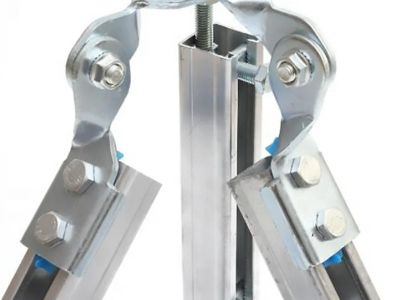
Solar panel mounting rails are essential components in solar energy systems, providing the structural support needed to secure solar panels in place. For B2B buyers, such as purchasing managers, distributors, and engineers, understanding the specifications, costs, and best practices associated with these mounting rails is crucial for making informed purchasing decisions. This article aims to clarify key aspects of solar panel mounting rails, addressing buyer concerns about quality, compatibility, and application suitability.
Key Specifications to Consider for Solar Mounting Rail Systems
When selecting solar mounting rails, several key specifications should be considered:
Material Composition: The choice between aluminum and galvanized steel will affect corrosion resistance, weight, and structural integrity. Dimensions: Rail length, width, and thickness must be compatible with the solar panels being used and the installation environment. Proper sizing ensures stability and load-bearing capacity. Load Ratings: It is essential to verify the load rating of the mounting rails to ensure they can support the weight of the solar panels and withstand environmental stresses, such as wind and snow. Installation Method: Understanding the installation requirements, including the type of fasteners and tools needed, will facilitate a smoother installation process. Compatibility: Ensure that the mounting rails are compatible with the solar panel frames and other mounting accessories. This may involve checking the dimensions and mounting hole placements.By focusing on these specifications, buyers can ensure that they select the most appropriate solar mounting rails for their specific application.