
Solar Panel Mounting Rails: Key Specifications and Best Practices

Get a Free Quote

Our representative will contact you soon.
Email
Mobile/WhatsApp
Name
Company Name
Message
0/1000

solar panels mounting rails

Solar  panel mounting rails  are  essential components in solar energy  systems,  providing the structural support needed  to secure solar panels in place. For B2B buyers, such as  purchasing managers, distributors, and  engineers, understanding  the  specifications, costs, and  best practices associated  with these mounting rails is  crucial  for making  informed purchasing decisions. This article aims to clarify key  aspects  of solar panel mounting rails, addressing buyer concerns  about quality, compatibility,  and  application suitability.

Key Specifications to Consider for Solar Mounting Rail Systems

When selecting  solar  mounting rails, several key specifications should be considered:

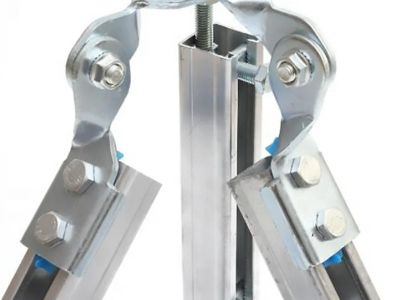
  Material Composition: The choice between aluminum  and galvanized steel will affect  corrosion resistance, weight, and structural integrity. Dimensions: Rail length, width, and thickness  must be compatible with the solar panels being used and  the installation environment. Proper sizing ensures stability and load-bearing capacity. Load Ratings: It is essential to verify the load rating  of  the mounting  rails to ensure they can support the weight of the  solar panels and withstand  environmental stresses, such as wind and  snow. Installation Method: Understanding  the  installation requirements, including the type of fasteners and tools needed, will facilitate a smoother installation process. Compatibility: Ensure that the mounting rails are compatible with the solar panel frames and other mounting accessories. This may involve  checking the dimensions and mounting hole placements.

By focusing on these specifications, buyers can ensure that they select the  most appropriate solar  mounting rails for their specific application.
Understanding Cost Factors for Solar Panel Mounting Rails Purchases

The cost of solar panel mounting rails can vary widely based on several factors:

Material: Aluminum rails  are  generally more expensive than galvanized steel due  to their lightweight  and corrosion-resistant properties. However, the long-term durability of  aluminum can justify the higher initial cost. Quantity: Bulk purchasing can lead to discounts, making it more economical for large projects. It’s important to consider  minimum order quantities (MOQs) when sourcing  from manufacturers. Customization: Custom lengths, special coatings, or unique  installation features can increase costs. Buyers should evaluate whether customization is necessary for their specific applications. Shipping Costs: Depending on the location of the  manufacturer and the delivery destination, shipping costs can significantly impact overall expenses. International shipping may require additional tariffs or customs fees. Installation  Costs: Consider  the cost of labor for  installation, which can  vary based on the  complexity of the mounting system and the  experience of the installation team. 

By analyzing these factors, buyers can  better  understand the  total  cost of ownership when purchasing solar mounting rails.

Best Practices

To ensure successful installation  and  long-term performance of solar mounting rails,  consider the following best practices:

Pre-installation Planning: Conduct a thorough site assessment to determine the optimal location and orientation for solar panels. This helps in  selecting the appropriate mounting rail system.  Quality Inspection: Before installation, inspect the mounting rails  for any defects or damage. This includes checking  for bends,  corrosion, or faulty welds that may  compromise structural  integrity. Follow Manufacturer Guidelines: Adhere to the manufacturer's installation instructions for mounting rails to ensure compliance with safety standards and performance expectations. Regular Maintenance:  After installation, perform periodic  inspections to check for  signs of wear, corrosion, or loosening of fasteners. Regular maintenance  helps extend  the lifespan of the mounting system. Training for Installers: Ensure that installers are adequately trained and  familiar with  the specific mounting system being used.  This minimizes errors  during installation and enhances overall safety.

Implementing these best practices will  help maximize the performance and longevity of solar mounting rails.

Common Problems with Solar Mounting Rails and Their Solutions

Buyers should be aware of common issues that can arise with solar mounting rails  and  how to  address them:

Corrosion: This is a significant concern, particularly in coastal or humid environments. To mitigate corrosion, opt for aluminum or galvanized steel  rails with protective coatings. Regular inspections can  help identify early signs of corrosion.

Improper Installation: Incorrect installation can  lead to structural failures or damage to solar panels. Ensure that installation teams follow manufacturer guidelines and use the correct tools and techniques.

Incompatibility with Solar  Panels: Sometimes, mounting rails may not fit properly with  specific  solar panel models. To avoid this, confirm compatibility before ordering and consider standardizing on a specific panel type where possible.

Load Capacity Issues: If the mounting rails do not meet the required load specifications,  this can lead to system failure.  Always verify load ratings and consider potential environmental factors when selecting rails. 


Wind Uplift: In areas prone to high winds, wind  uplift  can pose a risk to mounted  systems.  Selecting rails with a higher  load rating and ensuring proper anchoring will help safeguard against this issue. Just like in the design of Underground Parking Lots, proper planning is essential to mitigate risks.

By being proactive in  addressing these  potential problems, buyers can  ensure a more reliable and effective solar installation.

What to Know

When considering solar panel mounting rails, it is  important to recognize  their role in the overall solar energy system. These rails are designed to hold solar panels securely in  place, ensuring optimal exposure to sunlight while withstanding environmental  factors like  wind and snow loads.  The choice of mounting rail will depend on  several factors, including the  type  of solar panels used, installation location, and specific project requirements. For instance, in areas with high winds, selecting the right mounting system is crucial for stability, similar to considerations in Power Plants.

Buyers  should  be aware that mounting rails come in various materials, typically aluminum or galvanized steel, each offering different benefits. Aluminum is lightweight and resistant to corrosion, making it ideal for rooftop installations, while galvanized  steel provides  greater strength and durability for ground-mounted  systems.  Additionally, customization options, such as rail length and mounting hardware,  can significantly  impact the performance  and  suitability of the product for specific applications. Moreover, similar to Industrial Workshops, the choice of materials can greatly affect the outcome of the installation.


Frequently Asked Questions

What materials are used for your solar panels mounting rails?

Our mounting rails are made from high-grade aluminum alloy or galvanized steel, selected for corrosion resistance, strength, and long outdoor lifespan suitable for solar mounting structures.
Yes. Rails are designed for compatibility with most framed photovoltaic panels and mounting clamps, supporting portrait or landscape orientations and various panel thicknesses.
We offer custom lengths, hole patterns, and surface finishes (anodized or galvan galvanized) to meet specific project requirements and seismic support needs.
Rails are engineered per project specs; typical designs account for local wind and snow loads and integrate with seismic bracing systems. Provide site data for precise engineering.
Yes. We supply related accessories, supports, fasteners, and installation guidance. Technical drawings and on-request support from our manufacturing team are available.

Our Blog Posts

Complete Hardware Glossary: Solar Mounting, Pipe Supports and Cable Management Parts

21

Sep

Complete Hardware Glossary: Solar Mounting, Pipe Supports and Cable Management Parts

Understanding the components of solar mounting structures, pipe supports, and cable management parts is crucial for professionals in the manufacturing and construction industries. This complete hardware glossary will provide insights into evaluating ...
View More

Get a Free Quote

Our representative will contact you soon.
Email
Mobile/WhatsApp
Name
Company Name
Message
0/1000

Related product categories

Solar Panel Mounting Rails: Key Specifications and Best Practices

Get a Free Quote

Our representative will contact you soon.
Email
Mobile/WhatsApp
Name
Company Name
Message
0/1000