
Reliable Cable in Trunking Solutions for Industry

Get a Free Quote

Our representative will contact you soon.
Email
Mobile/WhatsApp
Name
Company Name
Message
0/1000

cable in trunking

In  the world  of industrial and commercial installations, the use of  cable in trunking is critical  for the safe  and  efficient  management of electrical and communication cables. This article explores  essential considerations  for purchasing  this product, focusing on buyer concerns such as  reliability, specifications, and applications. Whether you are a  purchasing manager,  distributor, or engineer, this guide will  help you  understand the nuances of  cable in trunking, ensuring  you make informed  decisions  for your  projects.

Key Specifications to Consider

When evaluating cable in trunking,  several key specifications should be considered to ensure optimal performance and compatibility with your projects:

Material: Common materials include steel, aluminum, and  PVC. Steel offers  strength and durability, making it suitable for  heavy-duty applications, while aluminum is lighter and corrosion-resistant. PVC is often used  for  lightweight installations.

Dimensions: The width, height, and  length of  the trunking must match the specific  installation  requirements. Proper sizing is essential  to avoid  overcrowding or insufficient cable space.

Load  Capacity: Each trunking system has a load rating that indicates how much weight it can support. Ensure the selected trunking can handle the anticipated load, especially  in environments with heavy electrical cables.

Sealing and Protection: Look for trunking that provides adequate sealing against dust, moisture, and other environmental factors. This is  crucial for maintaining the integrity of the cables over time.

Finish and Coating: The surface treatment can affect the longevity of the trunking. Powder-coated finishes provide added protection against corrosion and wear, especially in industrial settings.

Understanding these specifications allows buyers to select the right  cable  in trunking  that meets operational needs and  local regulations.
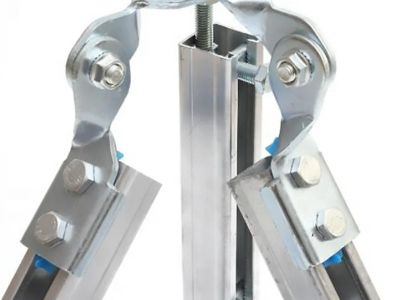
Common Problems with Cable in Trunking and Effective Solutions

Several common issues  arise with cable in  trunking installations, but knowing them in  advance can help mitigate problems:

Overheating: Inadequate ventilation can  lead to overheating of cables. Ensure trunking  systems are designed with sufficient airflow and consider using trunking with integrated ventilation features.

Mechanical Damage: Cables can be damaged during installation or  use if  not properly secured. Ensure  that  the trunking system includes features like cable clamps or ties to  secure the cables effectively.

Corrosion: In environments  with high humidity  or corrosive substances, trunking made from non-corrosive materials like stainless steel or aluminum is recommended. Regular inspections can help  identify any signs of wear or damage.

Electrical Interference: Poorly  designed trunking can lead  to electromagnetic interference (EMI), affecting  signal integrity. Opt for trunking systems with adequate  shielding or separation between power and data cables.

By anticipating these challenges and implementing  the right solutions, buyers can enhance  the reliability and longevity of their cable management systems.

Applications for Cable in Trunking in Industry

Cable in trunking serves a variety of applications across  multiple industries, including:

Manufacturing: In factories, cable trunking is  used to manage power and control cables,  ensuring  safety  and organization  in production areas.

Commercial Buildings:  Office complexes utilize trunking systems  to route data and power cables efficiently, keeping workspaces tidy and  minimizing hazards.

Telecommunications: Trunking is essential for managing communication lines, providing  a structured pathway for  data cables that require  protection from  interference.

Construction Sites:  Temporary installations often rely  on trunking  to organize electrical supplies  safely, preventing  trip  hazards and damage to cables. For instance, Industrial Workshops often employ trunking solutions to efficiently manage their electrical systems.

Understanding these applications  helps buyers choose the right type of trunking that fits their specific industry needs.

Materials Used in Cable in Trunking Manufacturing

The choice of materials in the manufacturing of cable  in  trunking directly impacts performance, durability, and suitability for different environments. Common materials  include:

Steel: Known for its strength and longevity, steel trunking is often used in  heavy-duty  applications. It can be galvanized or powder-coated for added corrosion  resistance.

Aluminum: Lightweight and resistant to corrosion, aluminum is suitable for environments where weight is a concern, such as in overhead installations.

PVC: This plastic  material is often used for indoor applications where flexibility and ease of installation are priorities. However, it may  not withstand extreme temperatures or heavy loads.

Composite Materials: Some manufacturers are beginning to use composite materials, which  combine the benefits of both metal  and plastic,  offering enhanced durability without the weight of steel.

When selecting materials, consider the environmental conditions  of  the  installation site, expected load, and any specific regulations that apply to  your  industry.

By understanding  these factors, buyers can make  informed decisions on the best cable in trunking solutions for their specific applications and environments.

Where to Find Reliable Suppliers for Cable in Trunking

Finding reliable  suppliers for cable in trunking starts with thorough research. Look for manufacturers with a proven track  record in the industry, such  as Shanghai  Qinkai Industry Co., Ltd., which specializes in cable management  systems. Potential suppliers should  be able to provide detailed product catalogs, specifications, and references  from  past clients. 

Trade shows and industry exhibitions are excellent venues for connecting with suppliers and evaluating their offerings firsthand. Online marketplaces also provide platforms for comparing various manufacturers, but due diligence is necessary. Verify certifications and compliance with industry standards, such as ISO  certifications, to ensure quality and reliability. Additionally, consider the applications of cable in trunking in environments like Marine Engineering for a comprehensive understanding of its utility.

It is also  beneficial to reach out to industry  peers or associations  for recommendations. Networking with professionals  in similar industries can  lead you  to reputable manufacturers  who have demonstrated quality and reliability in their products.

Frequently Asked Questions

What is cable in trunking used for?

Cable in trunking organizes and protects electrical and data cables, providing a neat pathway for routing, maintenance access, and mechanical protection in commercial and industrial installations.
Our trunking is typically manufactured from high-quality steel or galvanized steel, offering durability, corrosion resistance, and compatibility with our cable trays and support systems.
Yes. Our trunking is designed to integrate seamlessly with C-channel steel, finished supports and wire troughs, enabling unified routing and secure mounting across installations.
We offer custom dimensions, punched patterns and stamping parts to meet project requirements, including fittings, bends and accessories compatible with our trunking and support systems.
We follow industry manufacturing standards, use tested materials, and can supply technical specifications and load ratings. Seismic bracing and proper supports are recommended for high-demand installations.

Our Blog Posts

Complete Hardware Glossary: Solar Mounting, Pipe Supports and Cable Management Parts

21

Sep

Complete Hardware Glossary: Solar Mounting, Pipe Supports and Cable Management Parts

Understanding the components of solar mounting structures, pipe supports, and cable management parts is crucial for professionals in the manufacturing and construction industries. This complete hardware glossary will provide insights into evaluating ...
View More

Get a Free Quote

Our representative will contact you soon.
Email
Mobile/WhatsApp
Name
Company Name
Message
0/1000

Related product categories

Reliable Cable in Trunking Solutions for Industry

Get a Free Quote

Our representative will contact you soon.
Email
Mobile/WhatsApp
Name
Company Name
Message
0/1000