 EN
EN

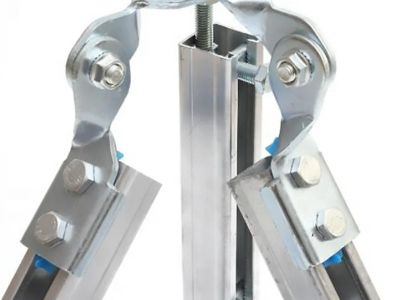
Understanding the components of solar mounting structures, pipe supports, and cable management parts is crucial for professionals in the manufacturing and construction industries. This complete hardware glossary will provide insights into evaluating quality, specifications, and cost factors, as well as installation guidance for these essential products. Whether you are a purchasing manager, distributor, or engineer, this article will help clarify your concerns and improve your decision-making process when sourcing these components.
How to Evaluate Quality in Pipe Supports and Cable Management Parts?
When evaluating quality in pipe supports and cable management parts, various factors must be considered. First, material selection is critical. Look for high-grade steel or corrosion-resistant materials such as stainless steel or galvanized finishes, especially in environments prone to moisture or chemicals. The durability of these materials directly affects the longevity and performance of the components.
Additionally, examine the manufacturing process. Quality assurance protocols, including rigorous testing for load capacity and stress analysis, are essential. A reputable manufacturer like Shanghai Qinkai Industry Co., Ltd. should provide documentation of their quality control measures, ensuring that their products like conduit pipe clamp meet industry standards.
Finally, consider the design features that facilitate installation and maintenance. Quality parts should offer ease of installation, such as pre-drilled holes or adjustable features, to accommodate various project requirements. The absence of sharp edges and the presence of protective coatings also enhance safety and usability.
Key Specifications for Solar Mounting and Support System Solutions
When it comes to solar mounting structures, understanding key specifications is vital for optimal performance. The material type is often the first consideration. Common materials include aluminum for its lightweight and corrosion resistance, or steel for its strength and durability. Each material has its specific load-bearing capabilities, which should be assessed based on the site conditions and expected weather impacts.
Another crucial specification is the mounting angle and height. This affects the efficiency of solar panels in harnessing sunlight, thus influencing overall energy output. Additionally, the design should accommodate various roof types or ground installations, ensuring compatibility with existing structures.
Further specifications include the wind load and snow load ratings. These ratings indicate how much stress the system can withstand during extreme weather events. Buyers should verify these ratings with the manufacturer to ensure the mounting system meets local building codes and safety standards.
Cost Factors to Consider When Sourcing Solar Mounting Structures
Several cost factors influence the pricing of solar mounting structures. Material choice significantly impacts the overall cost; for instance, aluminum is generally more expensive than steel but may offer better long-term value due to its corrosion resistance.
Another factor to consider is the complexity of the design. Custom solutions with unique specifications will typically incur higher costs compared to standard models. Be aware of any additional costs associated with shipping, especially for large or heavy components that may require special handling.
Lastly, volume discounts can affect pricing, as larger orders often come with reduced per-unit costs. Buyers should communicate their needs clearly during the RFQ process to ensure they receive the most accurate pricing based on their specific requirements.
How to Compare Different Pipe Support Materials for Your Needs?
Choosing the right material for pipe supports involves evaluating performance against environmental factors. Steel is a common choice for its strength and load-bearing capabilities, but it’s crucial to consider the risk of corrosion. In corrosive environments, stainless steel or coated steel options may be more suitable.
Plastic materials, such as PVC or CPVC, can be excellent for specific applications where chemical resistance is paramount. They are lightweight and easy to install but may not support as heavy loads as metal options.
Additionally, consider the temperature range that the material can withstand. For applications exposed to extreme temperatures, ensure the selected material maintains its integrity and performance under those conditions. Conducting thorough research and consulting with suppliers about specific material characteristics can help you make an informed decision tailored to your operational needs.
Installation Guidance for Solar Mounting and Cable Management Systems
Proper installation is critical for the effectiveness of solar mounting and cable management systems. Start by ensuring all components are compatible with the specific application requirements. Review technical drawings and installation manuals thoroughly before beginning the installation process by conduit pipe clips.
For solar mounting systems, correct alignment is crucial to maximize energy capture. Use leveling tools to ensure that the mounts are installed at the desired angle. It's also advisable to pre-assemble components whenever possible to facilitate a smoother installation process on-site.
When installing cable management systems, ensure that cables are secured without excessive tension, which could lead to wear or damage over time. Utilize appropriate fastening methods and check that all clamps or supports are securely tightened. Additionally, conduct a final inspection to confirm that all components are correctly installed and functioning as intended.
By following these guidelines and leveraging the expertise of a reliable manufacturer, you can ensure that your installations are efficient, safe, and compliant with industry standards using electrical pipe clamp.
Table of Contents
- How to Evaluate Quality in Pipe Supports and Cable Management Parts?
- Key Specifications for Solar Mounting and Support System Solutions
- Cost Factors to Consider When Sourcing Solar Mounting Structures
- How to Compare Different Pipe Support Materials for Your Needs?
- Installation Guidance for Solar Mounting and Cable Management Systems