
C-Channel Metal: Essential Specifications for Buyers

Get a Free Quote

Our representative will contact you soon.
Email
Mobile/WhatsApp
Name
Company Name
Message
0/1000

c channel metal

C-channel metal  is an essential component in various industrial applications, particularly in the construction  and  electrical sectors.  It serves  as a structural  element for supporting cable trays  and other  systems, offering  strength and stability.  For B2B buyers, key concerns often  revolve  around material quality, durability, customization options,  and compliance with industry  standards. This  article will help you  understand the  specifications, selection  criteria, and common challenges  associated with C-channel metal,  ensuring you make informed purchasing decisions.

How to Choose the Right C-Channel Metal for Your Projects

Selecting the right C-channel metal involves evaluating the specific needs of your project. Start  by assessing  the application environment.  For instance, if the C-channel will be exposed to moisture or corrosive elements, opting for galvanized  steel or stainless steel may be necessary to  prevent degradation  over time.

Next, consider the weight requirements. A heavier  C-channel may  be needed for  applications requiring greater load capacity, while lighter options could suffice for less demanding uses. Be sure to check compatibility with existing systems to avoid installation issues.

Customization options are also worth exploring.  Many manufacturers, including Shanghai Qinkai Industry Co.,  Ltd., offer tailored  solutions to meet unique  specifications. This can include custom lengths, widths, or additional  pre-drilled holes  for easier installation. You might find that solutions provided by Industrial Workshops can further enhance your project outcomes.


Finally, engage with suppliers to  discuss  your project needs. They can provide  valuable insights and recommendations based on their  manufacturing experience and technical knowledge of C-channel metal.
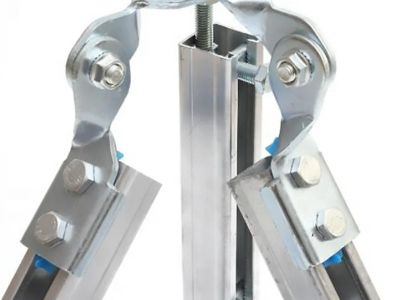
Key Factors to Consider

When  sourcing C-channel metal, several  key factors should influence your purchasing decision:

Quality Control Processes: Investigate the supplier’s quality control measures. Established manufacturers typically have rigorous testing and inspection protocols  to ensure product reliability.


Production Capacity: Understand the supplier’s production capabilities to ensure they can meet your  order volume  within your  required timeframe. This  is particularly  important for large projects with tight deadlines.

Transportation and Packaging: Confirm how the C-channel metal will be packaged and shipped.  Proper packaging prevents damage during transit, and clear labeling  facilitates easier handling upon delivery.

Lead Times: Inquire  about typical lead times for production  and delivery. Planning for  these  timelines can help you avoid project delays.

Cost Factors: While price is  a significant consideration, it should not be the sole  determining factor. Evaluate the  total cost of ownership, including quality, durability,  and potential maintenance needs over the product lifespan.

By carefully considering these factors, buyers can make more informed choices  that align with their project goals.

Why Trust Matters in C-Channel Metal Sourcing

Trust is paramount when sourcing C-channel metal, especially in B2B  transactions. Reliable suppliers should have a proven track record of delivering quality products  and maintaining transparency throughout  the purchasing process. Here are crucial aspects that contribute to trustworthiness:

Reputation: Research the  manufacturer’s reputation in the industry. Customer  reviews,  case  studies, and feedback can provide insights into their reliability and product quality.

Certifications:  Look for suppliers with relevant  industry certifications. These  can  serve as indicators of their commitment  to quality and adherence to industry standards.

Communication: Effective communication is  vital. A trustworthy supplier should be responsive to inquiries and  provide clear information about  their products and services.

After-Sales Support:  Consider whether the supplier offers ongoing support post-purchase. This  can  include  technical assistance, warranty options, and guidance on installation or maintenance.

Establishing a trustworthy relationship with your C-channel metal supplier can lead to smoother transactions  and better project outcomes.

Common Problems with C-Channel Metal and Their Solutions

While  sourcing C-channel  metal, buyers may encounter  several common issues. Understanding these problems  and  their solutions can help mitigate risks:

Corrosion: One of the primary concerns with C-channel metal is corrosion, particularly  in harsh environments. To address this, select materials with appropriate coatings or treatments, such  as galvanization or powder coating,  based on the expected exposure conditions.

Dimensional  Inaccuracy: Sometimes, C-channel metal  may arrive with dimensions that do not  match the specifications. To avoid this, conduct a thorough inspection  upon receipt. Request samples before mass production to ensure dimensional accuracy.

Load Capacity Issues: If the C-channel  metal fails to support the intended  load, it can lead to structural failures.  To prevent this, confirm load  capacity specifications with the manufacturer  and ensure they match your application requirements.

Compatibility Problems: C-channel metal  may not fit seamlessly with existing systems, leading to installation challenges.  Verify dimensions and compatibility with your  project specifications before placing an order.

By proactively addressing these common problems, buyers can enhance their purchasing experience and ensure successful project execution.

Specifications for Wholesale Buyers

When  sourcing C-channel metal,  buyers should  focus on several critical specifications that affect performance and application suitability.  Key factors to consider include:


Material: Common materials for C-channel metal  include galvanized steel, stainless steel, and aluminum. Each material has unique properties affecting durability, corrosion resistance, and  weight.

Dimensions:  C-channels come in various dimensions, typically specified by height, width, and thickness. Standard dimensions are essential for compatibility with existing  systems, so confirm these  before ordering.

Load Capacity: It is crucial to understand the load-bearing capacity of the  C-channel metal. This  specification informs  you of the maximum weight the channel can support without deformation or failure.

Coatings and Treatments: Surface treatments like galvanization or powder coating can enhance  corrosion resistance and aesthetic appeal. Consider the environment in which the C-channel  will be used to select the appropriate treatment.

Standards and Certifications:  Ensure the  product meets relevant industry standards  (e.g.,  ASTM, ISO). Certifications can provide assurance about quality and performance.

By confirming these specifications, wholesale buyers can ensure the C-channel metal meets their project requirements. Additionally, for projects involving heavy-duty applications like Power Plants, understanding load capacity is particularly critical.


Frequently Asked Questions

What is c channel metal used for?

C channel metal is used as structural support in cable trays, framing, solar mounting, seismic bracing, and general support systems for electrical and mechanical installations.
Available materials include hot-rolled steel, galvanized steel, and stainless steel. Finishes include hot-dip galvanizing, electro-galvanizing, and painted or powder-coated options.
We offer a range of widths, depths, thicknesses, and hole patterns customizable to project needs. Standard and bespoke dimensions are available on request.
Yes. We provide custom lengths, hole patterns, pre-drilling, punching, and special coatings to meet structural and installation specifications.
Yes. We supply compatible supports, brackets, seismic braces, and mounting accessories, plus technical drawings and installation guidance for projects.

Our Blog Posts

Complete Hardware Glossary: Solar Mounting, Pipe Supports and Cable Management Parts

21

Sep

Complete Hardware Glossary: Solar Mounting, Pipe Supports and Cable Management Parts

Understanding the components of solar mounting structures, pipe supports, and cable management parts is crucial for professionals in the manufacturing and construction industries. This complete hardware glossary will provide insights into evaluating ...
View More

Get a Free Quote

Our representative will contact you soon.
Email
Mobile/WhatsApp
Name
Company Name
Message
0/1000

Related product categories

C-Channel Metal: Essential Specifications for Buyers

Get a Free Quote

Our representative will contact you soon.
Email
Mobile/WhatsApp
Name
Company Name
Message
0/1000