
Sourcing Quality C-Channel Steel for Projects

Get a Free Quote

Our representative will contact you soon.
Email
Mobile/WhatsApp
Name
Company Name
Message
0/1000

c channel

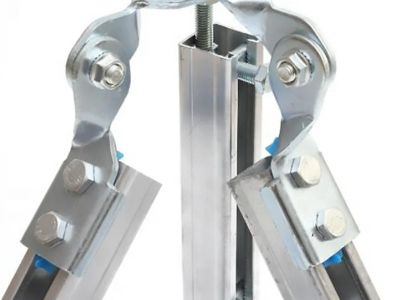
When sourcing materials  for industrial applications, C-channel steel  is an essential component in various support  systems, including cable  trays and seismic  bracing  systems. B2B buyers such as purchasing  managers, engineers, and  product managers often face  challenges in  selecting  the right quality and  specifications that  meet their project  requirements. This article will address key considerations  when sourcing C-channel steel, evaluating its  quality, and selecting the best  options  for  your application needs.


How to Evaluate the Quality of C-Channel Steel Products

Evaluating  the quality of C-channel steel involves examining several  key attributes that directly impact performance:

Material Integrity: Inspecting the steel  for any visible defects, such as  cracks, rust, or irregularities, is crucial. Buyers should request  samples or conduct inspections to ensure  the material's integrity meets their standards.

Surface Treatment: The surface finish of C-channel steel can influence its resistance to corrosion and wear. Buyers should consider whether a protective coating, such as galvanization or powder  coating, is necessary for  their application.

Manufacturing Processes: Understanding the manufacturing techniques used by the  supplier can provide insights into the quality of the final product. Methods such as hot or cold  rolling may affect  the material properties and overall  performance.

Quality Control Measures: A reliable supplier should have stringent quality control processes  in place, including testing for tensile strength, yield strength, and elongation. Requesting documentation of these tests can  help verify the  quality of the  products.

Supplier Reputation: Researching the supplier's reputation within the industry can provide valuable  insights. Customer  reviews, testimonials, and case  studies can help buyers gauge the supplier's reliability  and product quality.
Choosing the Right C-Channel Steel for Your Application Needs

Selecting  the appropriate  C-channel steel involves understanding the specific requirements of your application. Consider the following factors:

Application Environment: The  environment in  which the C-channel will be used can  significantly influence  material selection. For instance, environments with high humidity or exposure to chemicals may require corrosion-resistant steel.

Load and Stress Factors:  Analyze the load requirements and stress factors that the C-channel will encounter in  its application. This  assessment is crucial  to ensure the selected steel can withstand operational demands.

Compatibility with  Other Structures: Ensure that  the selected C-channel steel is compatible with  other components in your assembly. This includes verifying that dimensions align with existing structures or systems.

Cost Considerations: While  price is  an important factor, it should not be the sole consideration. Analyze the total cost of ownership, including potential maintenance, longevity,  and performance, to  ensure the best value.

Lead Times and Availability: Confirm the lead times  for delivery, especially if  the project has tight deadlines. Understanding the supplier's production capacity and stock levels can help  in planning and avoiding delays.

Where to Find Reliable Suppliers for C-Channel Steel

Finding trustworthy suppliers for C-channel steel requires diligent research and evaluation.  Here are some strategies:

Industry  Directories and Trade Shows: Utilize  industry-specific  directories and attend trade shows to connect with potential suppliers. This allows for  direct interaction and  assessment of their offerings.

Online Marketplaces: Websites dedicated to  B2B  transactions  often feature a wide array of suppliers. Look for  verified sellers with positive reviews  and a solid track record.

Networking and Recommendations: Leverage your professional network to seek recommendations for suppliers known for quality C-channel steel. Colleagues and industry contacts can provide valuable insights.

Supplier Certifications and Compliance: Ensure that potential suppliers have the necessary certifications  that validate their  compliance with  industry standards. This  adds a layer  of trust to the sourcing process.

Requesting Samples: Before making a large order, request samples  to evaluate the quality firsthand. This step can help prevent costly mistakes and ensure the  product meets your  specifications.


Comparing C-Channel Steel Specifications for Better Decision-Making

When comparing different C-channel steel products, consider the following specifications  to facilitate informed decision-making:

Material Grade: Different grades of steel can significantly affect performance. Compare  the specifications of each  option  to determine which best meets the project needs.

Dimensions and Weight: Analyze the dimensions and  weight of the C-channel steel. This information is vital for ensuring compatibility with  existing structures and  for assessing transport and installation  requirements.

Mechanical Properties:  Compare  tensile  strength, yield strength, and elongation percentages across different suppliers. This data will help assess the  durability and performance of each option.

Cost vs. Performance: Evaluate the cost in relation to the expected performance and longevity of the product. A lower price may not always translate to a better value  if it compromises quality.

Delivery and Lead Times: Consider not only  the pricing but also lead times for delivery. A supplier with a slightly higher price but faster delivery may be more beneficial for time-sensitive projects.

By understanding  these specifications  and conducting thorough  comparisons, buyers  can make more informed decisions  when  selecting C-channel steel for their projects.

What to Consider When Sourcing C-Channel Steel for Projects

When sourcing C-channel steel, buyers should focus on several critical factors  that influence  the material's performance and suitability for specific applications. These include:

Material Specifications: C-channel steel is typically made from different grades of steel, which affects its  strength, ductility, and resistance to corrosion. Buyers should confirm the grade of steel being used  and ensure it meets  the necessary industry standards for their application.

Dimensions and Tolerances: The dimensions  of C-channel steel,  including height, width, and thickness, must match  the specifications of the project. It's important to  check the tolerances, as any  discrepancies can  affect assembly and structural integrity.


Load-Bearing Capacity: Understanding the load requirements for the application  is essential. The C-channel's design must be capable of supporting the expected loads without deformation or failure.

Certifications and Compliance: Verify that the  manufacturer adheres to relevant industry standards and certifications,  such as ISO or ASTM, which ensure that the steel meets specific quality and safety criteria. Additionally, sourcing materials from reputable sources, such as those specializing in Marine Engineering, can enhance the quality assurance process.

Customization Options: Depending on the project  requirements, customizations may be necessary.  Buyers should inquire about the manufacturer's ability to provide tailored solutions, including modifications to dimensions or  additional  surface treatments.

Frequently Asked Questions

What is the c channel used for?

C channel steel provides structural support for cable trays, mounting systems, seismic bracing, and solar mounts. It’s used where durable load-bearing rails and supports are required.
We offer various widths, depths and thicknesses with options including hot-dip galvanized, pre-galvanized, powder-coated, and stainless steel finishes to suit environments.
Yes. We provide custom lengths, punched patterns, holes, bending and assembly per project specifications and structural requirements.
Products are manufactured under strict quality controls with material traceability, dimensional inspection and compliance to industry standards for structural and corrosion performance.
Lead times vary by order size and customization, typically from days to weeks. We provide coordinated shipping options and can assist with packaging for export.

Our Blog Posts

Complete Hardware Glossary: Solar Mounting, Pipe Supports and Cable Management Parts

21

Sep

Complete Hardware Glossary: Solar Mounting, Pipe Supports and Cable Management Parts

Understanding the components of solar mounting structures, pipe supports, and cable management parts is crucial for professionals in the manufacturing and construction industries. This complete hardware glossary will provide insights into evaluating ...
View More

Get a Free Quote

Our representative will contact you soon.
Email
Mobile/WhatsApp
Name
Company Name
Message
0/1000

Related product categories

Sourcing Quality C-Channel Steel for Projects

Get a Free Quote

Our representative will contact you soon.
Email
Mobile/WhatsApp
Name
Company Name
Message
0/1000