EN
EN

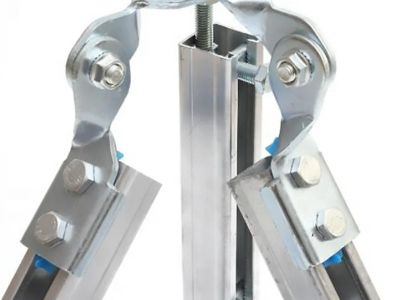
Strut channel trolleys are essential components in various industrial applications, designed to support and move strut channels effectively. These trolleys allow for easy installation and adjustment of cable trays and support systems, ensuring efficient operations in manufacturing and construction settings. As a purchasing manager or engineer, you may be concerned about their load capacity, material durability, and compatibility with existing systems. This article will delve into the top applications for strut channel trolleys, key features to consider, best practices, and common issues you may encounter, along with their solutions.
Key Features to Consider
When selecting strut channel trolleys, several key features should be evaluated to ensure they meet your operational requirements:
Load Capacity: Determine the maximum weight the trolley can support. This is crucial, especially for applications involving heavy cables or equipment. The load capacity should align with the expected application to prevent failures.
Material: Strut channel trolleys are typically made from steel or aluminum. Steel trolleys offer greater strength and durability, making them suitable for heavy-duty applications, while aluminum trolleys are lightweight and resistant to corrosion, ideal for environments where weight is a concern.
Compatibility: Ensure the trolley is compatible with your existing strut channel systems. Different manufacturers may have variations in dimensions and fittings, which can affect installation and functionality.
Adjustability: Trolleys that offer adjustable features allow for easier installation and modifications. This is particularly beneficial for projects where future adjustments may be necessary.
Finish and Coating: Consider the surface treatment of the trolley, such as galvanization or powder coating, which can enhance corrosion resistance and prolong the product's lifespan in harsh environments.