
Choosing Solar Panel Roof Mounts for Your Project

Get a Free Quote

Our representative will contact you soon.
Email
Mobile/WhatsApp
Name
Company Name
Message
0/1000

solar panel roof mounts

Solar panel roof mounts are critical components that facilitate the  secure installation of  solar panels  on various building types.  As a B2B buyer,  you may have concerns about selecting the right roof  mounts that meet project specifications,  ensuring durability and ease of  installation, and addressing potential issues  that could arise during and  after installation.  This  article aims to provide  you with valuable insights into making  informed decisions regarding solar panel roof mounts, focusing on key  specifications,  effective  installation  techniques, common problems, and applications  across various industries.


Key Specifications to Evaluate for Solar Panel Roof Mounts

Evaluating the specifications of solar panel roof mounts is  crucial for ensuring their reliability and performance. Key specifications to consider include:


Material: As  mentioned, materials  like aluminum  and galvanized steel have distinct properties. Evaluate the corrosion resistance, weight, and structural integrity based on the intended installation environment.

Dimensions: The dimensions of  the mounts should  align with the solar panel sizes and the roof structure. Inaccurate dimensions can lead to installation challenges and  impact the efficiency of the solar system.

Load Capacity:  Confirm the maximum  load capacity of the roof mounts. This specification is critical in areas prone to high winds or heavy snowfall, as it ensures the mounts can withstand extreme  weather conditions.

Warranty and Certifications: Look for mounts that come with a warranty and relevant certifications (like ISO or UL certifications). These can be indicators of quality and  manufacturing standards.

Customization Options: Depending on the  unique requirements  of your project, consider whether the manufacturer  offers  customizable solutions to fit specific mounting needs, similar to the offerings in Industrial Workshops.

By thoroughly evaluating these  specifications, you can ensure that your selected solar panel roof  mounts will perform reliably throughout their  lifespan.
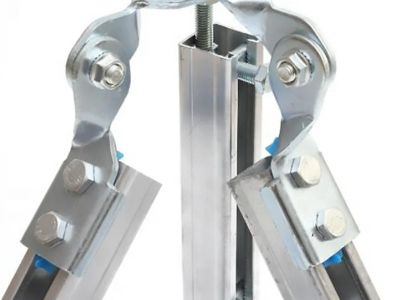
 

Effective Installation Techniques for Solar Panel Roof Mounts

Proper installation of solar panel roof mounts is essential to maximize their effectiveness and longevity. Here are some effective  techniques to consider:

Site Assessment: Before installation, conduct a comprehensive site assessment to evaluate roof conditions, including any  obstructions, slopes, or  structural weaknesses that may affect the mounting process.


Follow Manufacturer Guidelines: Always adhere to the manufacturer's installation instructions.  These guidelines are crafted  based on extensive testing and can significantly influence the performance  of the mounts.

Secure  Anchoring: Use appropriate anchors compatible with  your roof type to ensure a secure fit. For instance,  when mounting on a  flat roof, consider using  ballast systems  or penetrating mounts, depending on the specific application and local building codes.

Sealant Application: Apply  sealants or flashing  as recommended to prevent water intrusion around the mounts. This step is crucial for maintaining the integrity of the roof and avoiding potential leaks.

Regular Inspections: After installation, schedule regular inspections to check for  any signs of wear, corrosion, or loosening. This  proactive approach can help identify issues before  they escalate  into more significant problems.

Implementing these installation techniques can significantly enhance the performance and durability of your solar  panel roof mounts.

Common Problems with Solar Panel Roof Mounts and Their Solutions

Despite careful planning and  installation, several common problems can arise with solar panel roof mounts. Understanding these issues and their solutions can help you mitigate risks effectively:

Corrosion:  Over  time, mounts can suffer from corrosion, especially in humid or coastal environments. To  combat this, ensure  that the selected materials have proper corrosion resistance. Regularly check for signs of rust  and replace any corroded  components.

Loose Mounts: Vibration and wind can cause mounts  to  loosen over time. To address this, schedule  periodic inspections and tighten any loose hardware. Utilizing locknuts can also help maintain tight connections.

Improper Slope: If the mounts are not installed at the correct angle, it  can lead to suboptimal solar energy collection.  Ensure that mounts are level and aligned according  to the manufacturer's specifications for maximum efficiency.

Water Intrusion: Incorrect sealing can  lead to leaks  around  the mounts. Regularly inspect sealants  and flashing, and replace them if signs of wear are evident.

By being aware of these common problems and implementing preventive  measures, you can enhance the  reliability of your solar panel roof mounts.


Applications of Solar Panel Roof Mounts in Various Industries

Solar panel roof mounts are versatile and find  applications across various industries, including:

Residential:  Homeowners increasingly install solar  panels on rooftops to reduce energy costs and increase sustainability. Roof mounts in residential settings often require  customization to fit  specific architectural designs.

Commercial: Businesses often utilize solar panel systems to  offset energy costs. Roof mounts in commercial  applications  must support larger panels and withstand heavier loads due to more extensive installations.

Industrial: Manufacturing facilities  often deploy solar panels to power operations.  Industrial mounts need to accommodate larger panels and be constructed from robust materials to endure harsh  working environments.

Agricultural: Farmers are adopting solar  technology to power irrigation systems and reduce energy costs. In this sector, mounts may need customization for mounting on barns or silos.

Infrastructure: Solar panels  are  increasingly  being integrated into  infrastructure projects, such as parking  garages and public buildings. Roof mounts used in these applications must comply with strict building codes and support diverse panel configurations, similar to those used in Underground Parking Lots.

By understanding the diverse applications of solar panel roof mounts, businesses can make informed decisions that  align  with their specific  operational needs.

Choosing the Right Solar Panel Roof Mounts for Your Project Needs

When  selecting  solar panel roof mounts, several factors must be considered to  ensure they meet  the specific requirements of your project. First, you need  to assess the type of roof where the solar panels will  be installed—flat, pitched, or metal  roofs may require different mounting solutions.  Additionally, determine the weight and dimensions of the solar panels to ensure compatibility  with  the mounts.

Material selection is also paramount. Common materials for solar mounts include aluminum and galvanized steel. Aluminum is lightweight and resistant to corrosion,  making it ideal for coastal areas, while galvanized steel offers strength and durability, suitable  for harsher environments. Understanding the local climate and environmental conditions will help you choose the  right material that ensures longevity and performance. For example, in marine environments, specialized materials may be necessary, similar to those used in Marine Engineering.

Lastly, consider the load-bearing capacity  of the mounts. They must support not  only the weight of the solar panels but also withstand wind loads and potential snow accumulation. Consulting with manufacturers like Shanghai Qinkai Industry  Co.,  Ltd.,  who specialize  in solar mounting structures, can provide insights into the most suitable options for your specific  application.

Frequently Asked Questions

What types of roof mounts do you offer for solar panels?

We provide adjustable and fixed roof mounting systems compatible with tile, metal, and shingle roofs, including C-channel based supports and accessories tailored to structural requirements.
Yes. Our mounting structures and stamped accessories are designed for standard and custom module sizes, offering adjustable brackets and rails to fit most panel dimensions.
We use engineered C-channel supports, finished supports, and seismic bracing designs tested for load, wind, and local code requirements to ensure stable rooftop installations.
Yes. We manufacture full mounting systems, rails, brackets, and stamped parts at scale to support commercial and utility rooftop installations with consistent quality control.
We offer technical documentation, layout guidance, and component specifications to assist installers and engineers in selecting the correct roof mount configuration for site conditions.

Our Blog Posts

Complete Hardware Glossary: Solar Mounting, Pipe Supports and Cable Management Parts

21

Sep

Complete Hardware Glossary: Solar Mounting, Pipe Supports and Cable Management Parts

Understanding the components of solar mounting structures, pipe supports, and cable management parts is crucial for professionals in the manufacturing and construction industries. This complete hardware glossary will provide insights into evaluating ...
View More

Get a Free Quote

Our representative will contact you soon.
Email
Mobile/WhatsApp
Name
Company Name
Message
0/1000

Related product categories

Choosing Solar Panel Roof Mounts for Your Project

Get a Free Quote

Our representative will contact you soon.
Email
Mobile/WhatsApp
Name
Company Name
Message
0/1000