
Carbon Steel C Channels: Benefits and Specifications

Get a Free Quote

Our representative will contact you soon.
Email
Mobile/WhatsApp
Name
Company Name
Message
0/1000

carbon steel c channel

Carbon  steel  C channels are essential structural components  widely used in construction and manufacturing applications. These versatile  products offer strength,  durability,  and cost-effectiveness, making them a  preferred  choice  for various structural needs. B2B buyers often  seek detailed specifications, installation tips,  and common issues associated with carbon steel C  channels to make  informed purchasing decisions. This article will provide  insights into the benefits, specifications, installation methods, common  problems,  and  quality factors  related  to  carbon steel C channels.

Key Specifications to Consider for Carbon Steel C Channels

When selecting carbon  steel C channels, buyers should consider several key specifications to ensure the products meet their specific application needs:

Dimensions: The width, depth,  and thickness of the C channel are critical factors.  These dimensions affect the  channel’s load-bearing capacity and overall performance  in structural applications. Buyers should assess the specific load requirements of their projects  to determine the appropriate dimensions.


Material Grade: Carbon steel C  channels  are available in  different grades,  which  influence strength, ductility, and weldability. Common grades used include ASTM A36 and ASTM A992. Understanding the material's properties is essential for ensuring its suitability for the intended use.  For example, projects involving Power Plants may require specific grades to handle rigorous demands.

Coating and Surface  Treatment: The surface finish  can impact corrosion resistance and aesthetic  appeal. Buyers should consider whether a galvanized or painted option is necessary based on the application environment, particularly in outdoor or corrosive conditions.

Length and Weight: Standard lengths vary, but custom lengths may be required for specific projects. Weight is also a crucial factor, as it can affect shipping  costs and handling  during installation. 


Confirming these specifications before placing an order  is essential to ensure the selected carbon  steel C channels will perform as expected in their intended applications.
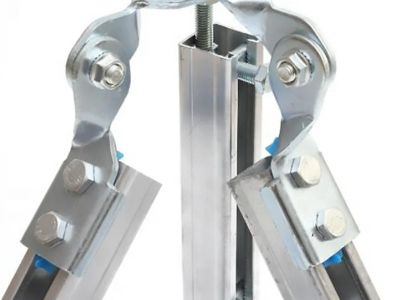
Installation Tips for Carbon Steel C Channels in Structural Projects

Proper installation of  carbon steel C channels is crucial to  maximizing their performance and longevity. Here are some installation tips:

Plan the Layout: Before installation, create a detailed layout plan that includes  the positioning of the C channels, taking into account load distribution and  structural integrity. This planning  phase helps prevent misalignment  and ensures that the channels are used effectively.

Use Appropriate Fasteners: Selecting the right fasteners is essential for securing the C channels. Bolts or welding techniques are commonly used, and the type of fastening should align with the  specific  structural requirements and local building codes.

Check for Level and Alignment: During installation,  ensure that the C channels are level and properly  aligned. This can prevent structural issues later on and distribute loads evenly, enhancing the  overall strength of the construction.

Incorporate Bracing:  For taller structures or those exposed to lateral forces, additional bracing may be necessary to provide  extra support. This can help mitigate  potential movement  or swaying.

Follow Safety Guidelines: Always adhere to safety guidelines and regulations during installation. This includes using appropriate personal protective equipment (PPE) and following best  practices to  avoid accidents.


By  following these installation tips, buyers can enhance the structural performance of carbon steel C channels in their projects.


Common Problems with Carbon Steel C Channels and Effective Solutions

While carbon steel C channels are robust, certain challenges may arise during their use. Here are some common problems and solutions:


Corrosion: Carbon steel  is susceptible  to  rust and corrosion,  especially in humid or marine environments. To mitigate this, consider using galvanized channels or applying protective  coatings. Regular inspections can also  help identify early signs of corrosion.

Welding Issues: When welding carbon steel C channels, distortion can occur  if not managed properly. Using preheating techniques and controlling the cooling rate can minimize  distortion and ensure strong welds.

Misalignment: Improper alignment  during installation can lead to structural weaknesses. Conducting  thorough checks before fastening can  prevent this issue.  If misalignment is detected post-installation, adjustments may be required,  which can  involve re-positioning or adding supplementary supports.

Load Limitations: Exceeding the load capacity of C channels can lead  to structural failure.  Buyers should calculate the expected loads carefully  and consult with a structural engineer if necessary to  ensure compliance with safety standards.

By proactively addressing these common problems, buyers can enhance the  reliability and safety of their carbon steel C channel installations.

Quality and Performance Factors

To  ensure the best performance  of carbon steel  C channels, buyers  should focus on several quality factors:

Manufacturing Standards: Confirm that the C channels are manufactured according  to  established industry standards, such as ASTM or ISO certifications. This ensures the  products meet specific performance criteria.

Quality Control Processes: A reputable manufacturer should implement rigorous quality control measures throughout the production process. This includes testing for dimensional accuracy, strength, and  surface finish.

Material Traceability: Understanding the  source of the raw materials used in  production can provide insights into the overall quality. Buyers should ensure that materials come from reliable suppliers with a history of quality assurance.

Customer Feedback: Reviews and testimonials from other customers can offer valuable insights into the performance and reliability  of the C channels in real-world applications. Engaging with past clients can  help gauge the manufacturer’s reputation.

After-Sales  Support: Consider the availability of after-sales  support from  the manufacturer. This can include assistance with installation, troubleshooting, and addressing any quality concerns that may arise after purchase.

By focusing on  these quality and  performance factors, buyers can ensure that they select carbon  steel C channels that  meet  their specific needs and provide reliable, long-lasting performance in their applications.

Understanding the Benefits of Carbon Steel C Channel in Construction

Carbon steel C channels provide several advantages that contribute to their widespread use in construction. First, their shape—resembling a  "C"—allows for effective load distribution, making them  ideal for  supporting structures and frameworks. The high  tensile strength of carbon steel ensures that these  channels can withstand significant stress and strain, which  is crucial in construction  environments where safety and stability are paramount.


Additionally, carbon steel is relatively  cost-effective compared to other materials  such  as stainless steel or aluminum. This affordability doesn't compromise quality, making carbon steel C  channels  a  practical choice for budget-conscious projects. Furthermore, carbon steel  is  readily available and can be easily customized to  meet specific project requirements, including varying lengths, widths, and thicknesses,  which can  enhance  the efficiency of the construction process. For specialized applications, such as in Marine Engineering, the adaptability of carbon steel channels proves invaluable.

Frequently Asked Questions

What is carbon steel C channel used for?

Carbon steel C channel is used for structural supports, framing, cable tray supports, solar mounting rails, and general fabrication in industrial and construction projects.
We offer various heights, flange widths, and thicknesses. Custom lengths and punched/finished options are available to meet project specifications.
Finishes include hot-dip galvanizing, zinc plating, powder coating, and mill finish. We can match corrosion protection to your application.
Yes. We provide custom stamping, punching, drilling, and welding to produce finished supports and accessories per customer drawings.
Lead times depend on quantity and customization; typical production is weeks. Minimum order quantities vary by spec—contact us with details for a quote and schedule.

Our Blog Posts

Complete Hardware Glossary: Solar Mounting, Pipe Supports and Cable Management Parts

21

Sep

Complete Hardware Glossary: Solar Mounting, Pipe Supports and Cable Management Parts

Understanding the components of solar mounting structures, pipe supports, and cable management parts is crucial for professionals in the manufacturing and construction industries. This complete hardware glossary will provide insights into evaluating ...
View More

Get a Free Quote

Our representative will contact you soon.
Email
Mobile/WhatsApp
Name
Company Name
Message
0/1000

Related product categories

Carbon Steel C Channels: Benefits and Specifications

Get a Free Quote

Our representative will contact you soon.
Email
Mobile/WhatsApp
Name
Company Name
Message
0/1000