 EN
EN

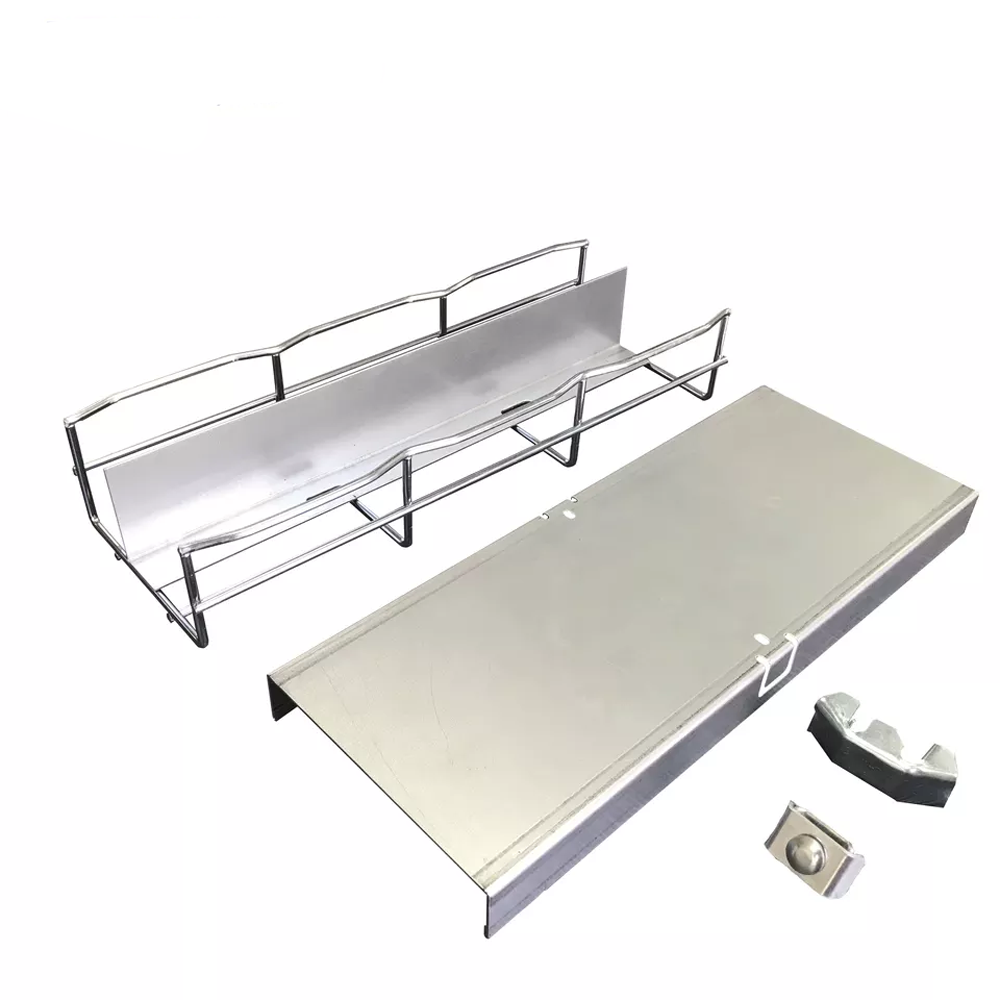
Stainless steel custom parts play a critical role in solar projects, ensuring durability and reliability in various applications. Buyers, including purchasing managers and engineers, often have concerns regarding specifications, material suitability, cost-effectiveness, and potential issues during installation. This article will provide insights into aligning stainless steel part drawings with solar project requirements, covering essential specifications, common challenges, and the advantages of using stainless steel in renewable energy applications.
Specifications for Stainless Steel Parts in Solar Applications
When specifying stainless steel custom parts for solar applications, several key factors must be considered. First, the material grade is crucial; 304 and 316 stainless steels are commonly used due to their excellent corrosion resistance and mechanical properties. The choice between these grades often depends on the environmental conditions of the installation site. For example, 316 customized stainless steel casting is preferable in coastal areas due to its superior resistance to saltwater corrosion.
Dimensions and tolerances are another critical aspect. Buyers should provide detailed drawings that specify not only the overall dimensions but also the tolerances for critical areas that affect assembly and functionality. Common specifications include thickness, width, and length, which impact both strength and weight capacity. Additionally, buyers must consider the surface finish; options like passivation can enhance corrosion resistance, which is essential for outdoor installations.
Furthermore, it is important to confirm the load requirements and any specific project standards or certifications, such as ISO or ASTM compliance, to ensure that the parts meet all necessary regulatory conditions.
Stainless Steel Parts for Solar System Needs
Stainless steel parts are integral to the structure and support systems of solar installations. Common applications include mounting brackets, cable trays, and support structures, which provide stability and safety for solar panels. These parts must be designed to withstand varying loads, including wind and snow, while ensuring proper alignment and orientation of the solar panels for optimal energy capture.
In many solar projects, customization is essential. Buyers often require specific modifications to standard designs to meet unique project needs. For instance, parts may require specific drilling patterns for bolting or unique shapes for specific mounting configurations. It is advisable to work closely with the manufacturer, such as Shanghai Qinkai Industry Co., Ltd., to discuss customization options that align with project specifications.
Additionally, buyers should consider the installation environment. Parts intended for high moisture areas may require additional protective treatments to prevent rust or degradation over time. Collaborating with a supplier that understands these application needs can significantly improve project outcomes.
Cost Considerations for Bulk Orders of Stainless Steel Parts
Cost is always a primary concern for buyers considering bulk orders of stainless steel cable tray. Several factors influence pricing, including material costs, manufacturing processes, and order quantity. Typically, higher volumes can lead to reduced per-unit costs due to economies of scale. However, buyers must also factor in additional costs such as shipping, handling, and any custom tooling required for specific parts.
When requesting quotes, it’s beneficial to provide the manufacturer with detailed information regarding the intended application, quantity, and specifications. This can help ensure that the pricing reflects all necessary considerations and avoids unexpected costs later in the process.
Furthermore, buyers should be aware of lead times. Custom parts generally require more time for production than standard items. Factors such as manufacturing capacity and current order backlogs can affect delivery schedules, so it’s essential to communicate urgency during the initial discussions with the supplier.
Common Problems with Stainless Steel Parts in Solar Installations
Despite their advantages, stainless steel parts can present challenges in solar installations. One common issue is improper alignment or fit during installation, which can lead to structural weaknesses. This often stems from insufficient tolerances in the manufacturing process or inaccuracies in the provided drawings. Before mass production, it is advisable to approve a finished sample to confirm that dimensions and fit meet expectations.
Corrosion is another potential problem, particularly when parts are exposed to harsh environmental conditions. While stainless steel is resistant to rust, certain conditions can lead to localized corrosion if not properly specified. Buyers should ensure that the correct grade of stainless steel is selected for their specific project conditions.
Additionally, installers may encounter difficulties if the parts are not designed with ease of assembly in mind. Complicated designs can lead to increased installation times and costs. Working with a manufacturer that prioritizes usability in their designs can mitigate these issues.
Benefits of Using Stainless Steel in Solar Energy Applications
The use of stainless conduit clamps in solar energy applications offers numerous benefits. One of the most significant advantages is its durability. Stainless steel is known for its ability to withstand extreme weather conditions, making it ideal for outdoor installations that face exposure to sunlight, rain, and wind.
Another advantage is the low maintenance requirement. Unlike other materials that may require frequent replacement or repair, stainless steel parts tend to have a longer lifespan, reducing overall lifecycle costs. This is particularly important in solar projects where reliability and performance can directly impact energy production.
Additionally, stainless steel has a high strength-to-weight ratio, which allows for lighter structures that do not compromise on strength. This can lead to lower installation costs and the ability to support larger solar arrays without requiring extensive structural reinforcement.
In summary, stainless steel custom parts are essential for meeting the specific needs of solar projects. By understanding the specifications, potential challenges, and advantages of these materials, buyers can make informed decisions that enhance the efficiency and reliability of their solar installations. Collaborating with an experienced manufacturer like Shanghai Qinkai Industry Co., Ltd. can further optimize the alignment between product specifications and project requirements.